
European Barracuda
Sphyraena sphyraena
Impressive pelagic predator known for its hydrodynamic silhouette. Rare marine species in the Black Sea, observed increasingly due to Mediterraneanization.
A living encyclopedia of the Danube Delta's extraordinary wildlife — past and present.
Sphyraena sphyraena
Impressive pelagic predator known for its hydrodynamic silhouette. Rare marine species in the Black Sea, observed increasingly due to Mediterraneanization.
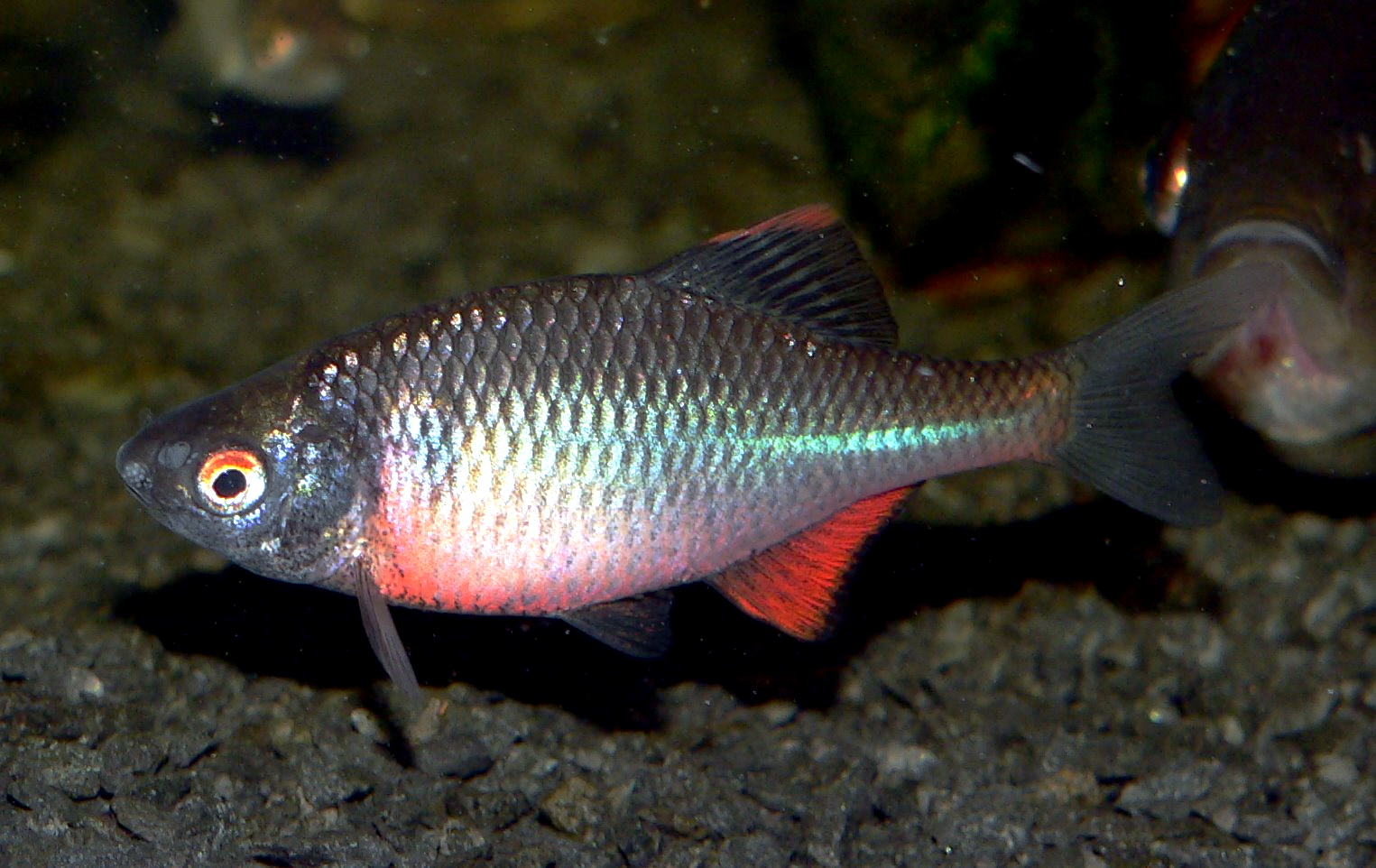
Rhodeus amarus
Small fish famous for its unique symbiosis with freshwater mussels. One of the most colourful native species. Frequent in the Danube Delta.
.JPG)
Platichthys flesus
Adaptable flatfish, one of the few marine species that tolerates very low salinity. Traditional fishery resource in the Black Sea basin.
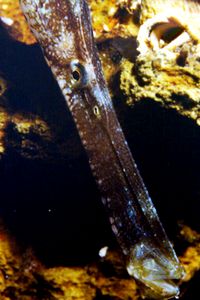
Syngnathus typhle
Close relative of the seahorse. Thin stem-like body hides perfectly among seaweed. Found in seagrass meadows.

Chelon saliens
Slimmest mullet species, known as singhil. Frequently jumps above water. Very abundant in brackish lagoons and coastal waters.

Rutilus rutilus
One of the most common freshwater fish in the Danube Delta. Cyprinid with distinctive red fins and characteristic eyes. Important gregarious species in the food chain. Length 35-50 cm, weight 1-2 kg.

Perca fluviatilis
One of the most beautiful predatory fish with distinctive dark vertical stripes and orange-red fins. Active predator hunting in schools. Length 40-50 cm, weight 2-3 kg. Highly valued by sport fishermen.

Carassius gibelio
One of the most adaptable freshwater fish, present in virtually all standing waters. Invasive species introduced in 1912, extremely resilient, can survive extreme conditions. Length 40-45 cm, weight 2-3 kg. Highly appreciated by sport fishermen.

Alosa immaculata
Emblematic anadromous species that migrates in spring from the Black Sea to the Danube for reproduction. Richest in fat fish of its size (up to 26% omega-3). Length 40-50 cm, weight 1-1.5 kg. Vulnerable due to dams and overfishing.

Abramis brama
Characteristic fish with extremely tall, laterally flattened body, resembling a plate. Lives in schools on the bottom of slow waters. Benthic consumer feeding on larvae, worms and mollusks. Length 70-85 cm, weight up to 6-7 kg.

Pomatoschistus minutus
Very small but extremely abundant fish in coastal areas. Master of camouflage, almost invisible on sandy substrate. Fundamental link in beach ecosystem, main food source for marine fry and wading birds.
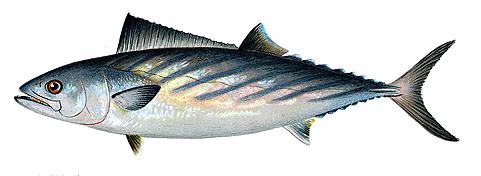
Sarda sarda
Medium-sized marine predatory fish related to tuna and mackerel. Epipelagic and migratory species renowned for its speed and culinary qualities. Seasonal presence in the Black Sea.
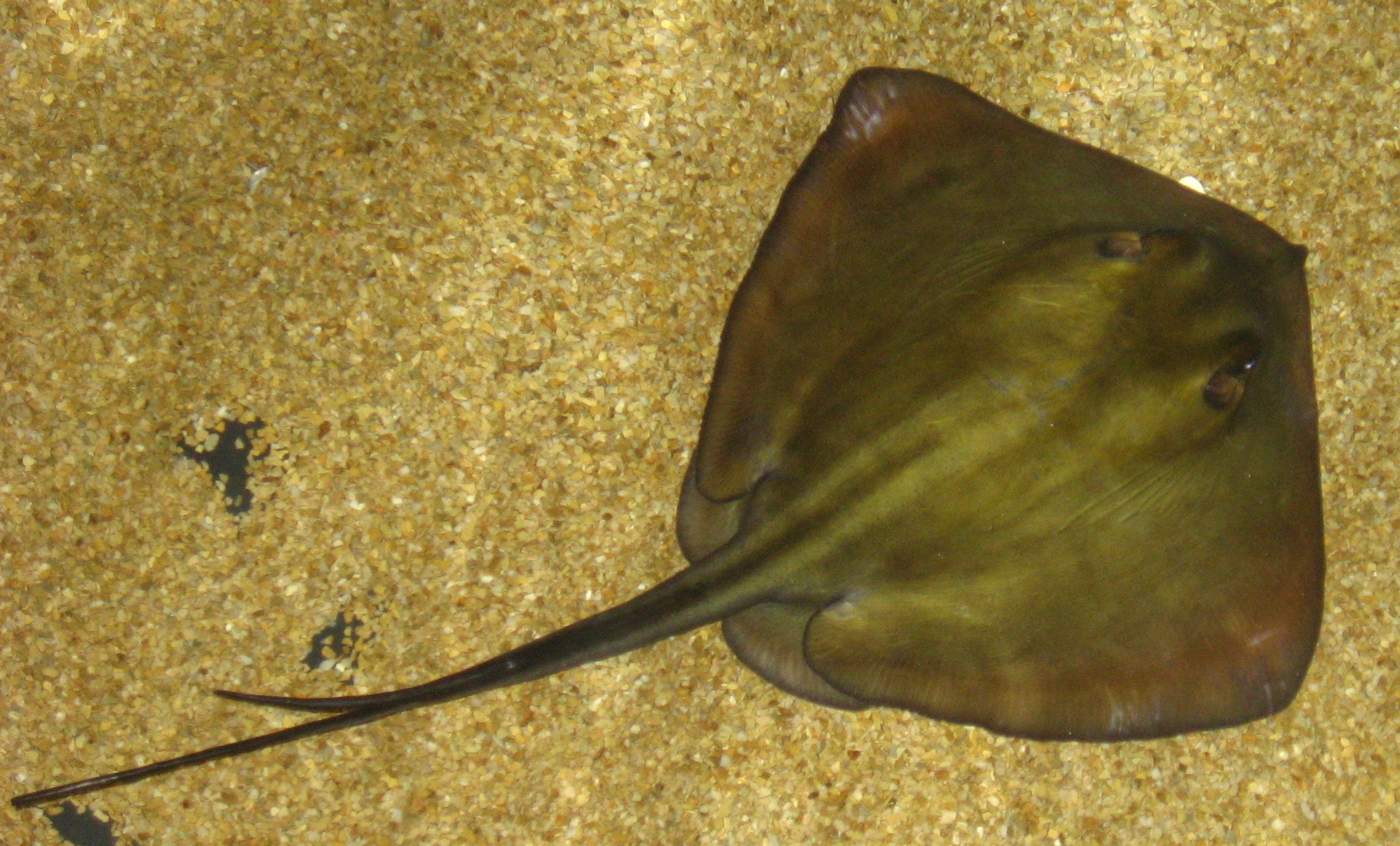
Dasyatis pastinaca
Cartilaginous fish related to sharks with characteristic flattened body. Known for the venomous spine on its tail. Solitary species that spends most of its time on the sea floor.

Atherina boyeri
Small fish with huge local ecological and economic importance in the Danube Delta. Forms colossal schools, food base for ichthyophagous birds and marine predatory fish.

Squalus acanthias
Most common Squaliformes representative in European waters. Active predator, does not pose danger to humans. Fascinating biology with remarkable longevity and unusually long gestation.

Hypophthalmichthys molitrix
Pelagic fish native to East Asia. Renowned for jumping out of water at engine noise. Active biological filter, consumer of microscopic plankton.

Scorpaena porcus
Benthic marine fish famous for its bizarre appearance and venomous spines. Master of camouflage on the sea floor. Formidable predator in its ecological niche.

Scomber scombrus
High-speed pelagic fish essential for marine ecosystems. Tireless swimmer, highly valued for meat rich in Omega-3 fatty acids.
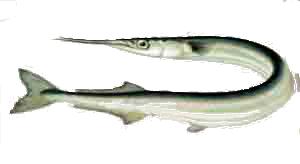
Belone belone
One of the most unusual fish in Romanian waters, with extremely elongated shape and natural green bones. Surface pelagic predator, fast, with long leaps above water.
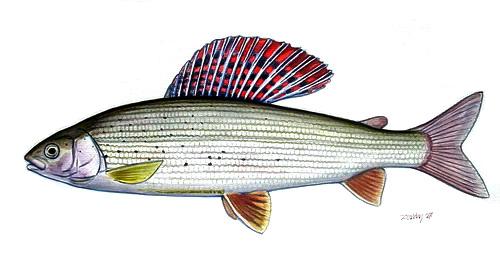
Thymallus thymallus
Salmonid with spectacular tall, multicoloured dorsal fin. Requires cold, fast, well-oxygenated water. Protected since 2010. Presence in Danube Delta doubtful.

Cyprinus carpio
Valuable species with characteristic barbels, native to the Pontic basin. Omnivore with impressive growth. Length 110-120 cm, weight up to 40 kg. Wild populations in the Danube are vulnerable and protected.

Scardinius erythrophthalmus
Beautiful cyprinid with golden-red fins and upturned mouth. Prefers areas with dense vegetation. Omnivore with preference for plant matter. Length 25-35 cm, weight 0.5-1 kg (up to 2 kg). Important in the food chain.
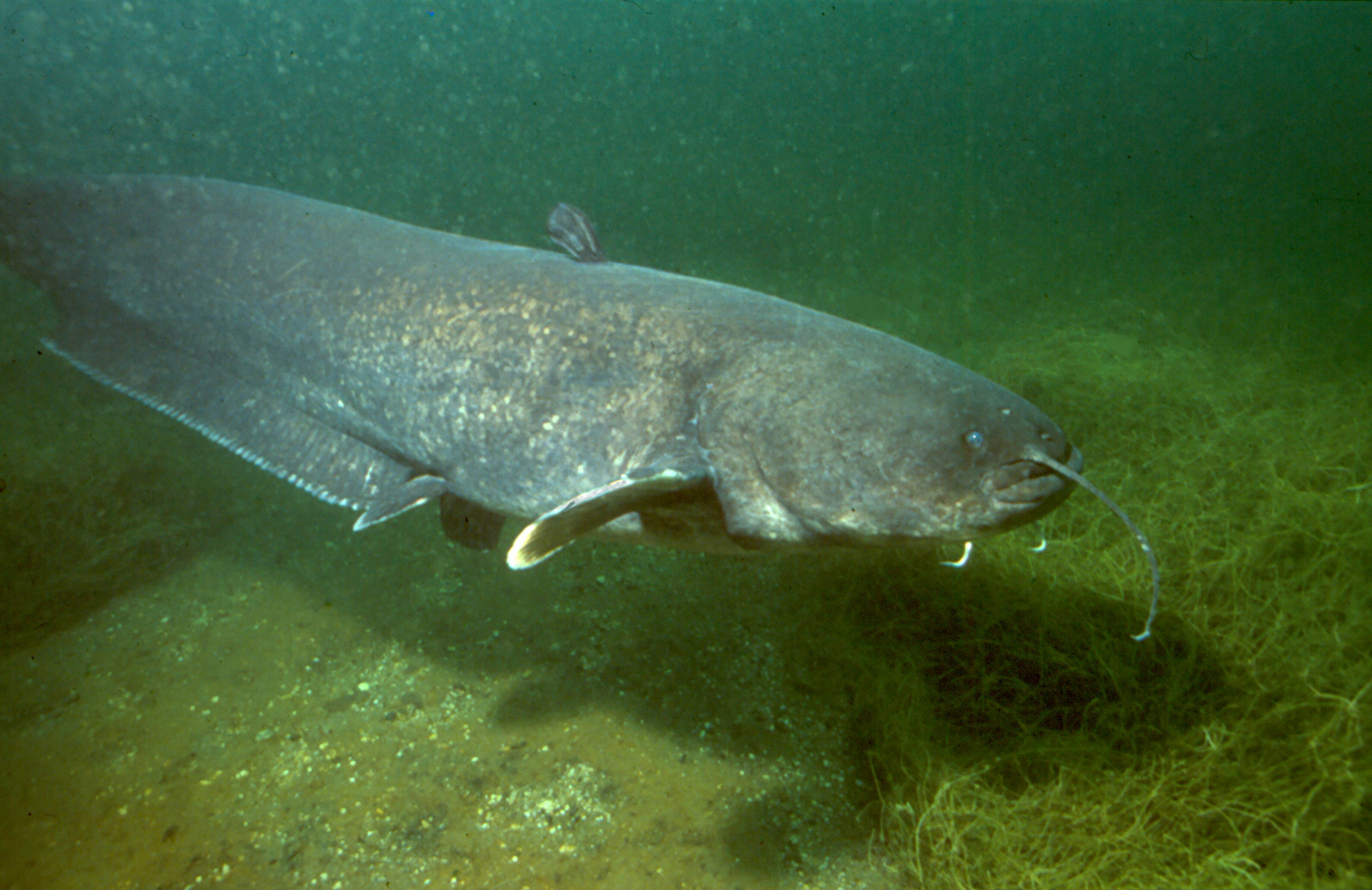
Silurus glanis
Europe's largest freshwater fish. Impressive nocturnal predator with long barbels. Can reach 3-4 meters and over 100 kg. Exceptional longevity of 50-80 years.

Esox lucius
Iconic ambush predator with elongated body and sharp snout. Incredible burst speed. Length up to 150 cm, weight up to 25 kg. Queen of vegetated waters.

Sander lucioperca
Elite predator with elongated body and powerful canine teeth. Highly efficient nocturnal hunter. Superior quality white meat. Length 70-100 cm, weight 5-10 kg.

Alburnus alburnus
Small silver fish living in enormous surface shoals. Essential link in the Delta food chain. Excellent water quality indicator. Length 15-25 cm.
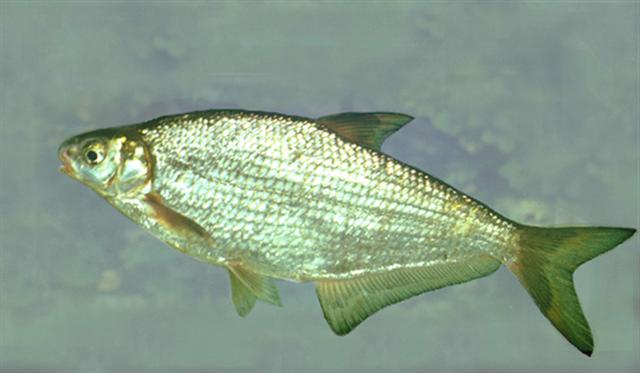
Ballerus sapa
Rare cyprinid endemic to the Ponto-Aralo-Caspian basin. Prefers flowing waters with current. Recognized by its characteristically large eyes. Length 20-35 cm.

Blicca bjoerkna
The "little sister" of the common bream. Extremely abundant in lakes and ponds. Essential intermediate species in the Delta food chain. Length 15-30 cm.
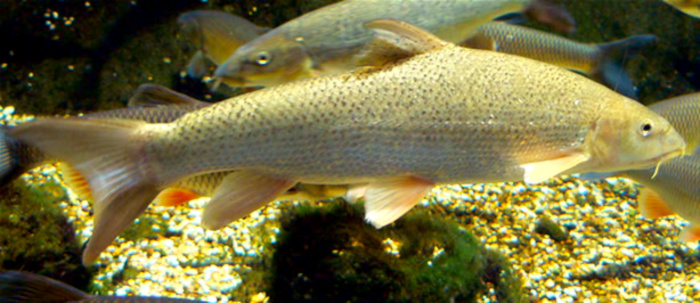
Barbus barbus
Robust fish with four distinctive barbels. Prefers flowing waters with stony bottoms. One of the strongest fighting freshwater fish. Length 40-100 cm.

Tinca tinca
The "doctor fish" of freshwaters - covered in protective mucus. Extremely resistant to low oxygen. Prefers muddy waters with dense vegetation. Length 30-60 cm.
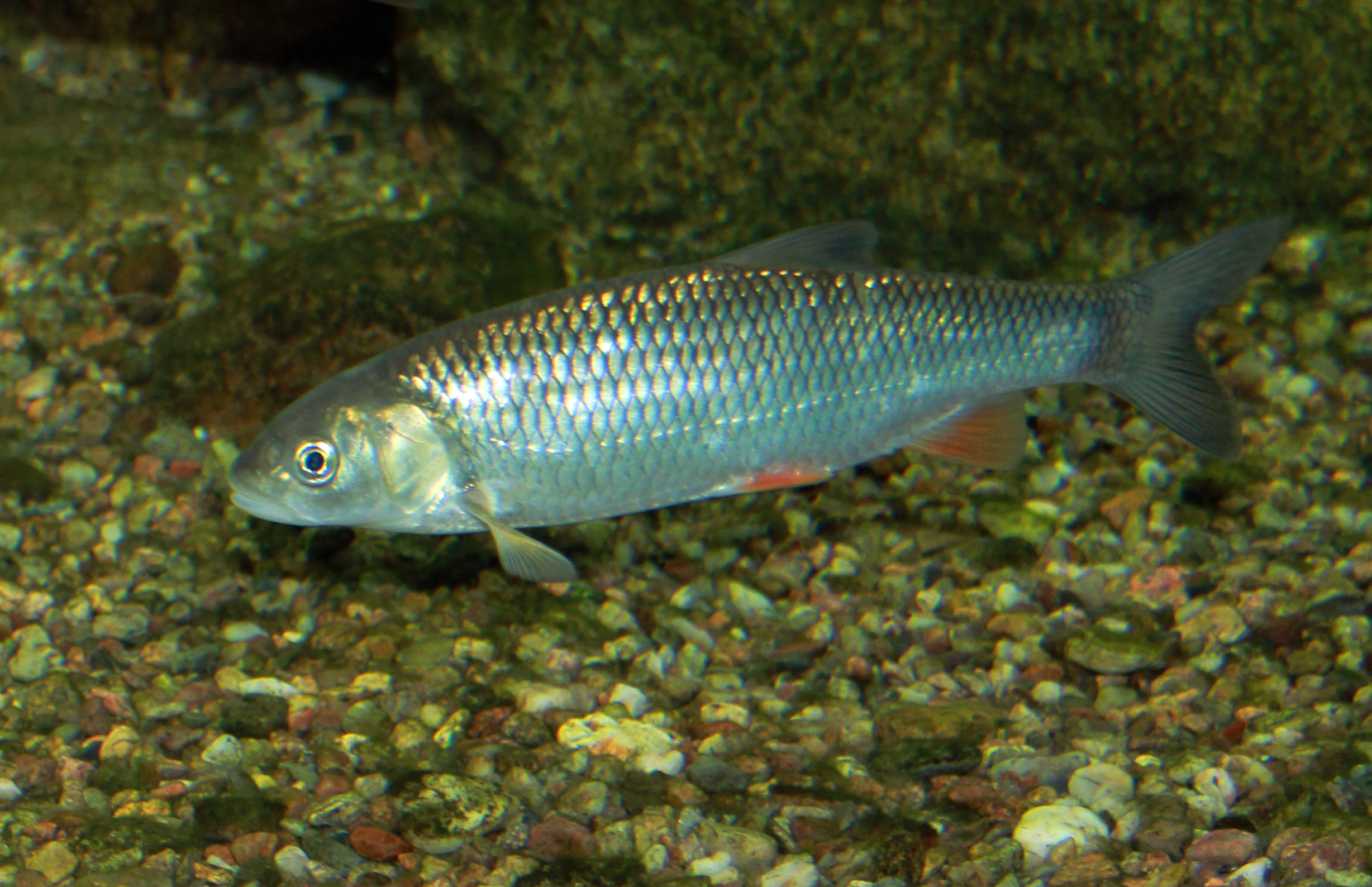
Squalius cephalus
Versatile and opportunistic cyprinid recognized by its large head and thick lips. Occupies all water levels. Omnivore adapted to any type of food. Length 30-60 cm.

Aspius aspius
The only true predatory cyprinid in Romanian waters. Spectacular pelagic predator hunting schools of small fish at the surface. Length 80-120 cm.
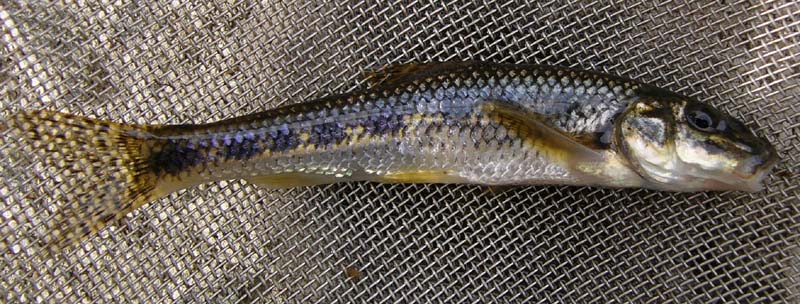
Gobio gobio
Small fish specialized on sandy bottoms, living in large schools. Emits distinctive squeaking sounds — they "talk" to each other! Essential prey for otters and kingfishers. Length 8-15 cm.
 Critically Endangered
Anguilla anguilla
A mysterious catadromous fish that reproduces in the Sargasso Sea, 6,000 km away, spending 6–18 years growing in freshwater. European populations have crashed by over 90% since the 1970s. Length up to 1.5 m.
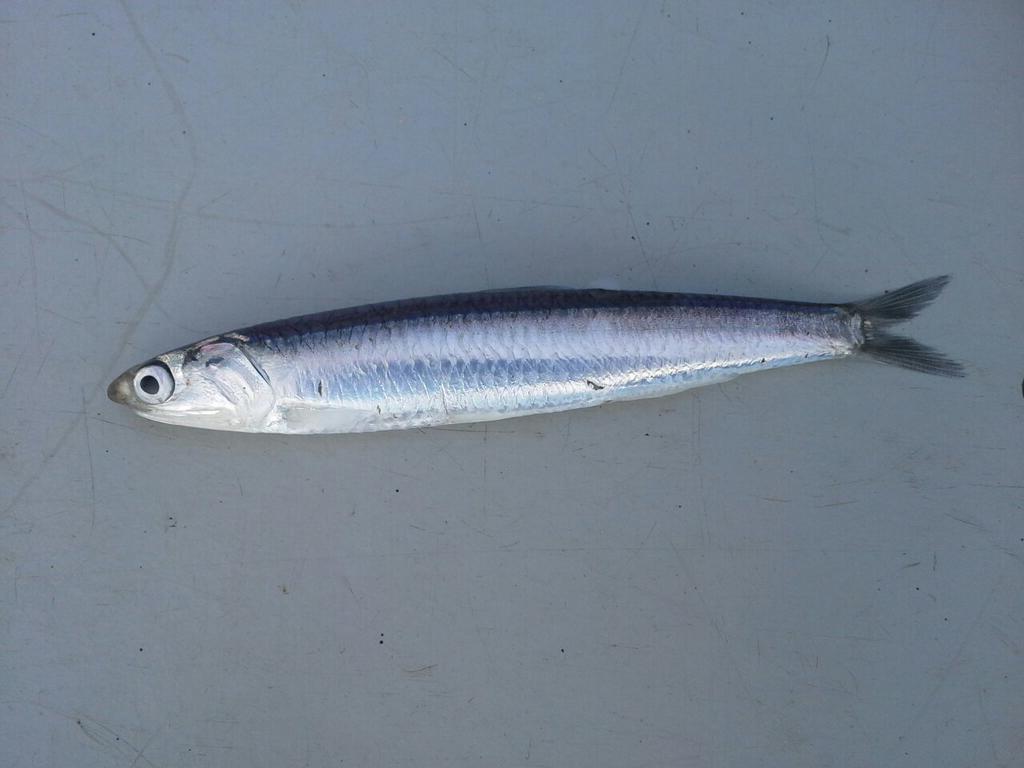
Engraulis encrasicolus
The most important pelagic marine species in the Black Sea, sporadically entering the Danube mouths. Vast schools filter plankton from the water column. Primary food source for pelicans, dolphins, and migratory shad. Length 12–20 cm.

Cobitis taenia
Small benthic fish from the Cobitidae family, common throughout the Danube basin. Lives buried in mud during the day, active at night. Frequently used as live bait. Length 10–15 cm.

Gymnocephalus cernua
Small perch with a large head and bulging eyes, abundant in the lakes and slow waters of the Danube Delta. Forms large schools, feeds on invertebrates and fish eggs. Length 15–20 cm.

Misgurnus fossilis
Europe's largest loach, nicknamed the "weatherfish". Serpentine body with 10 barbels. Breathes air intestinally in oxygen-poor waters. Lives in marshes and muddy ponds. Length 25–35 cm.

Hippocampus guttulatus
Rare marine species, strictly protected under CITES. Swims vertically; male carries eggs in a brood pouch and "gives birth". Occurs sporadically in the Black Sea and brackish Delta sectors. Status: Data Deficient (DD).
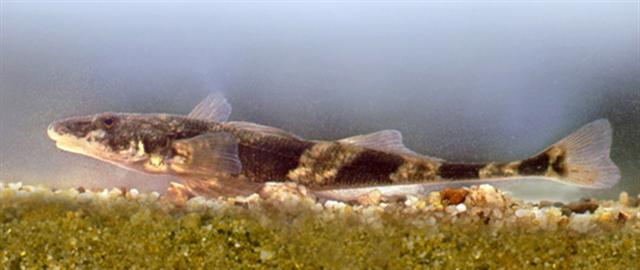
Zingel streber
The smallest and most threatened Zingel, classified as Vulnerable (VU). Danube endemic, protected by the Berne Convention. Nocturnal benthic fish with 4–5 oblique bands. Maximum length 22 cm.

Zingel zingel
The largest benthic perch of the Danube, endemic to the Danubian basin. Elongated fusiform body with transverse bands. Nocturnal, active in moderate to fast currents. Can reach 48 cm and 1 kg.

Neogobius fluviatilis
Native Ponto-Caspian species, extremely abundant throughout the Danube Delta. Fusiform body with uniform brownish-grey colouration. Functional ventral adhesive disc. Invasive in the upper Danube basin.

Ponticola kessleri
The bighead goby — broad flattened head with the widest mouth of any freshwater goby. Most piscivorous goby in the Delta. Prefers the deeper Danube zones (3–15 m). Complex reddish-brown markings.
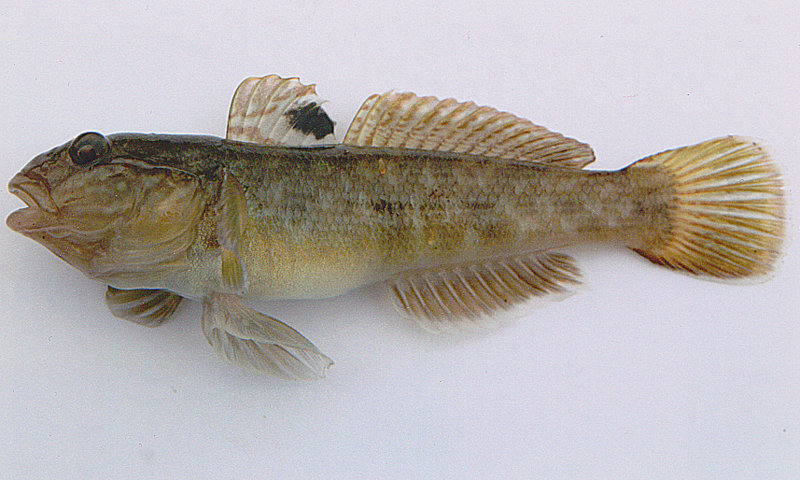
Neogobius melanostomus
One of the world's most invasive fish species. Distinctive black spot on first dorsal fin. Specialist mussel feeder on hard substrates. Has colonised the North American Great Lakes. Maximum length 25 cm.

Cottus gobio
Enormous flattened head, scaleless body — excellent water quality indicator. Ambush predator beneath stones in cold mountain streams. Male guards clutch for 4–5 weeks. Present sporadically at Iron Gates.
 Vulnerable
Acipenser ruthenus
The smallest sturgeon species, the sterlet is a graceful, aerodynamic fish uniquely adapted exclusively to freshwater rivers like the Danube. This vulnerable species prefers deep, clear waters with hard bottoms and well-oxygenated conditions.
 Critically Endangered
Huso huso
The largest freshwater fish in Europe and the world, the beluga is a spectacular anadromous giant and living fossil weighing up to 2,000 kg. Critically endangered due to dam fragmentation and poaching, Romania remains the last EU country where sturgeons naturally reproduce.
 Critically Endangered
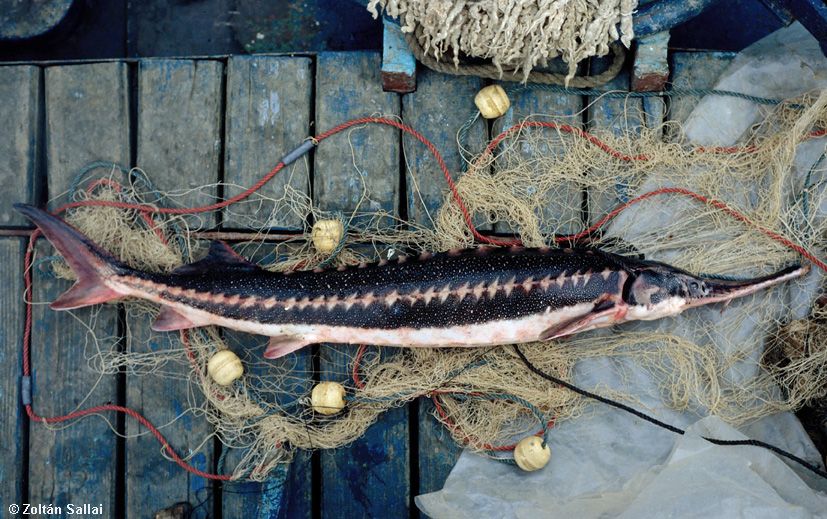
Acipenser gueldenstaedtii
The second most economically valuable sturgeon after the beluga, the Russian sturgeon is an anadromous fish from the Black and Caspian seas that migrates to the Danube for spring reproduction. Critically endangered, its dark gray roe (Osetra caviar) was historically highly prized.
 Critically Endangered
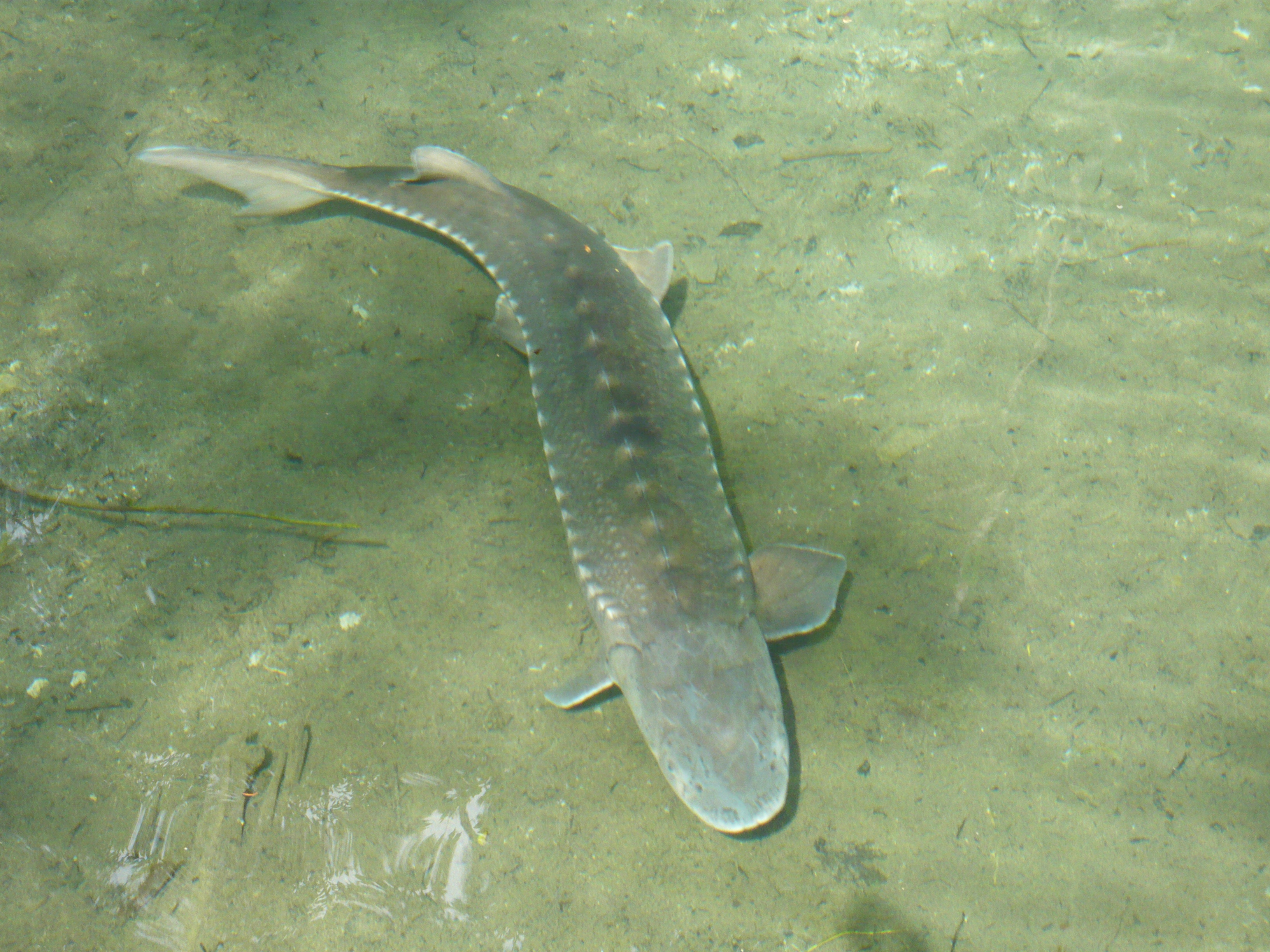
Acipenser stellatus
Characterized by an elongated, narrow, flattened snout and distinctive stellate (star-shaped) bony plates, the starry sturgeon migrates to the Danube in two seasonal periods. This critically endangered species uniquely feeds in upper water layers unlike other sturgeons and can interbreed with related species.
 Extinct
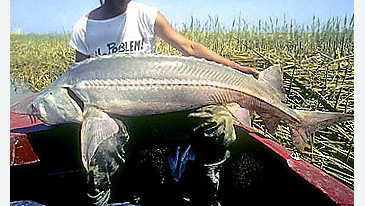
Acipenser sturio
The rarest sturgeon species in the world, the European sea sturgeon is officially extinct from the Danube and hasn't been captured in Romania for over 60 years. With only its last existing wild population limited to rivers in France, this critically endangered giant faces potential complete extinction.
 Extinct
Acipenser nudiventris
A phantom sturgeon species considered locally extinct in Romania and Bulgaria, the ship sturgeon resembles the sterlet but is distinguished by its entire lower lip and hasn't been documented in the lower Danube for 30-40 years. Last captured scientifically in Romania in 1950, this species now faces possible complete extinction.

Lepomis gibbosus
Introduced from North America, one of the most colourful freshwater fish. Operculum with characteristic orange-red patch. Invasive species; do not release.

Scophthalmus maximus
Supreme delicacy of the Black Sea, most prized flatfish. Benthic species, both eyes on left side. Minimum size: 45 cm.

Mugil cephalus
Largest mullet in the Black Sea, euryhaline. Massive dorsally flattened head (flathead). Filter-feeding omnivore. Minimum size: 25 cm.

Chelon auratus
Most frequently encountered mullet on coasts and coastal lakes (Razelm, Sinoe). Migrates from sea into lagoons. White, tasty flesh.

Ponticola cephalargoides
Pontic marine goby, coastal and estuarine zone. Large, massive head — diagnostic. Benthic, territorial.
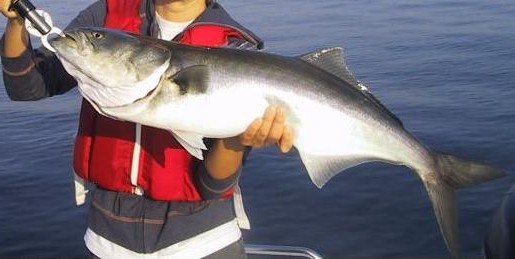
Pomatomus saltatrix
Spectacular aggressive pelagic predator. Only species in family Pomatomidae. Vulnerable (VU). Extraordinary fighter — elite sport fish.

Ameiurus nebulosus
Harmful invasive species from North America. 8 barbels, adipose fin, sharp spines. Do not release.

Sprattus sprattus
Small pelagic fish from Clupeidae, one of the most important commercial species in the Black Sea. Planktivore. Minimum size: 7 cm.

Trachurus mediterraneus
Fast pelagic gregarious fish from Carangidae. Lateral line with bony scutes. Commercially important in the Black Sea.

Ctenopharyngodon idella
Asian fish introduced for vegetation control. Exclusively herbivorous, fast growth. Lakes and channels with abundant vegetation.
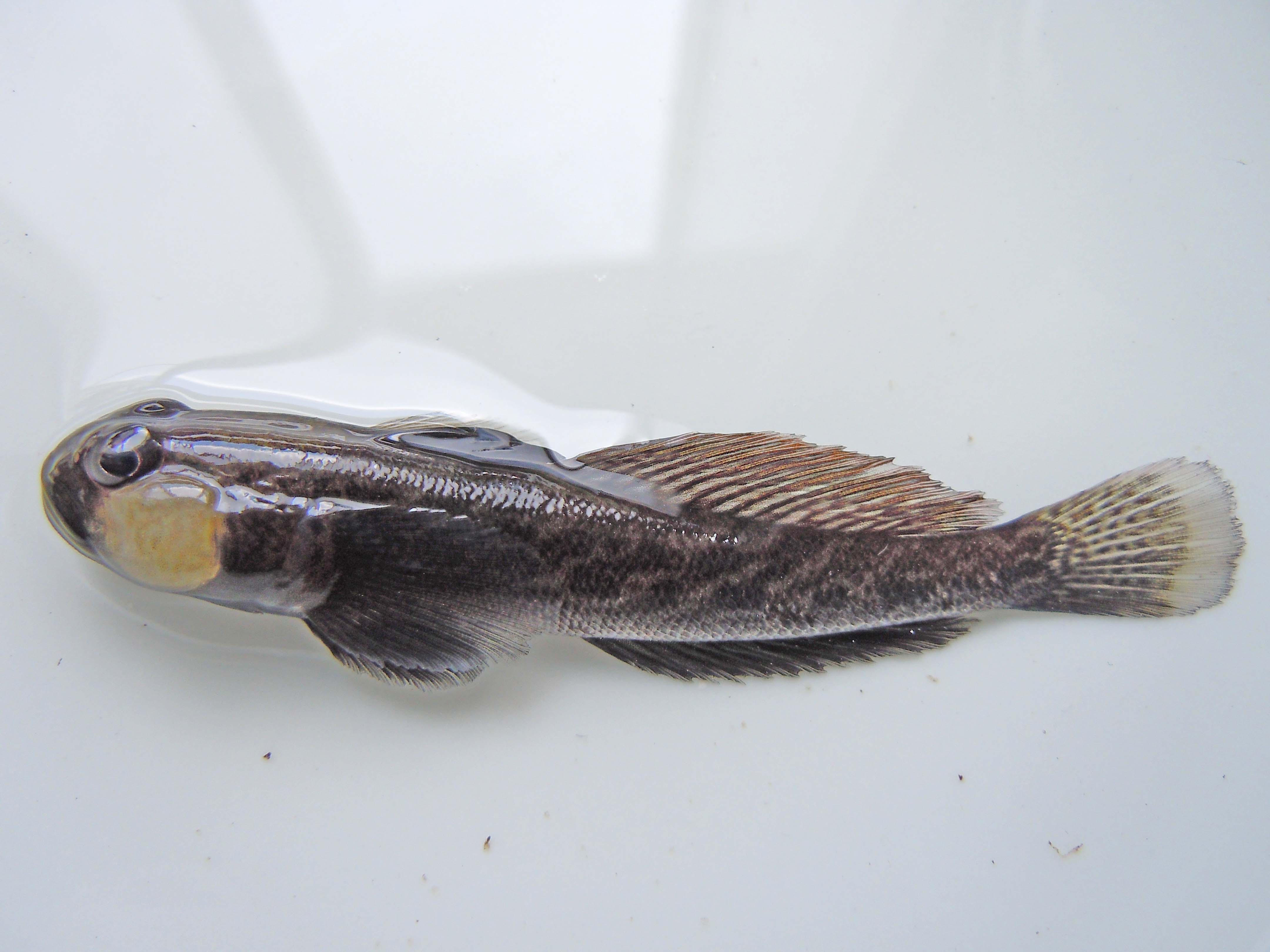
Babka gymnotrachelus
Ponto-Caspian species adapted to fluvial environment. Discreet benthic fish, substrate quality indicator. Lower Danube sector.

Proterorhinus semilunaris
"Nose-like" goby preferring vegetation-rich areas. Common in Delta channels and pools. Fresh and brackish waters.
_1.jpg)
Gobius niger
One of the largest gobies in the coastal zone. Marine, adaptable to salinity. Razim-Sinoe, breakwaters and cliffs.

Hypophthalmichthys nobilis
Spotted busa — Asian giant, zooplankton consumer. Major economic importance. Large lowland waters, Danube arms.

Anser albifrons
The main wild goose species wintering in Romania. Its huge flocks fill the skies of Dobruja in the cold season and create one of the most spectacular winter birding scenes in the Danube Delta region.

Branta ruficollis
One of the most beautiful and rare goose species in the world. Romania plays a crucial role in its survival: in harsh winters almost the entire world population winters in Dobruja and around the Danube Delta.
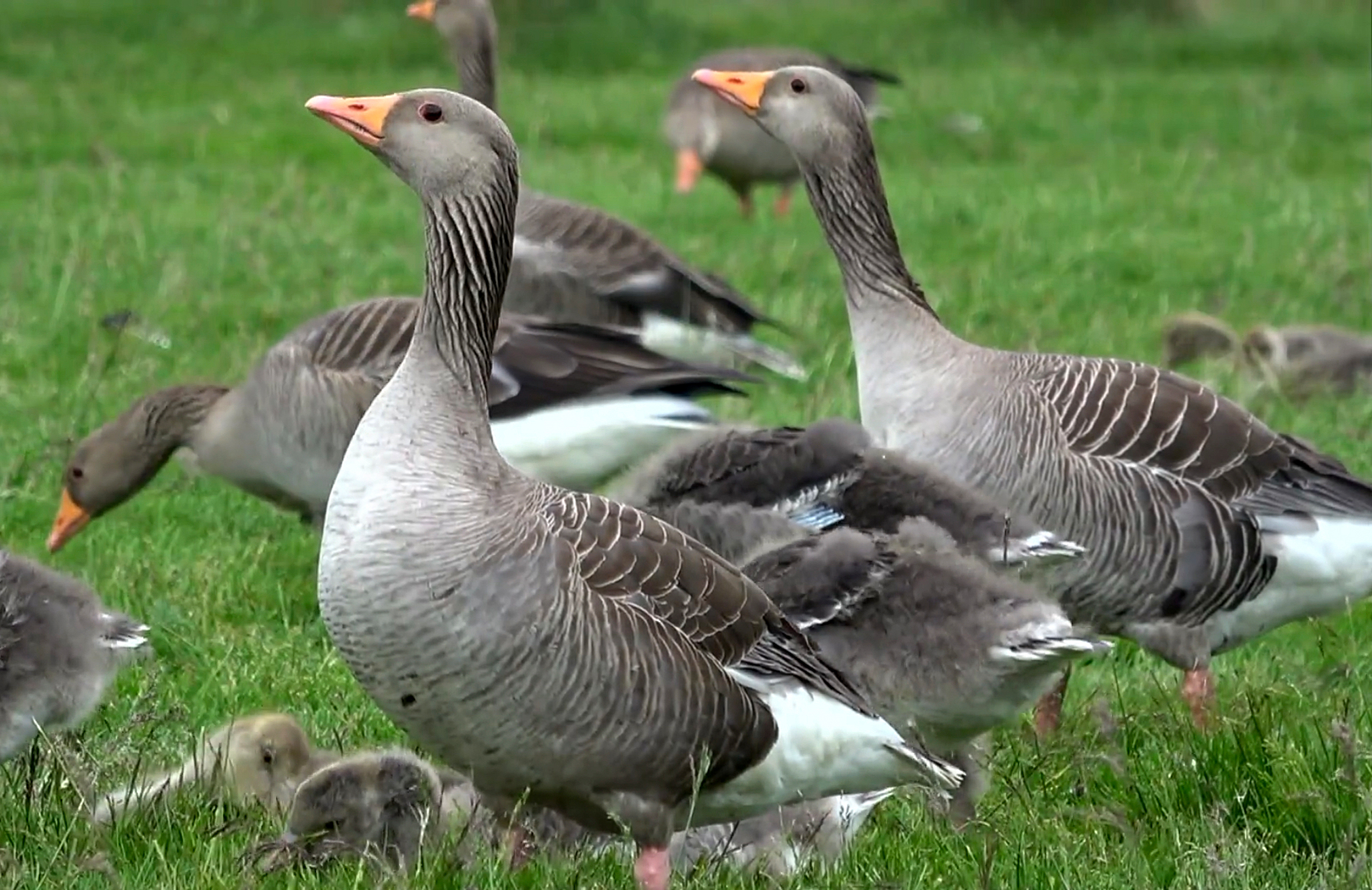
Anser anser
The wild ancestor of most European domestic geese and one of the most emblematic waterbirds of the Danube Delta. The only wild goose species that breeds regularly in Romania.

Milvus migrans
Probably the most numerous diurnal raptor in the world and a constant presence in the skies of the Danube Delta. In the Delta it plays a key role as a natural clean-up crew.

Milvus milvus
One of Europe's most elegant and spectacular birds of prey. In Romania it is much rarer than the Black Kite, but sightings from Dobruja and the Danube Delta confirm its regular presence in the region.

Bubo bubo
Europe's largest nocturnal raptor. Present in Dobrogea and the delta margins, on limestone slopes. Its booming "uh-hu" call carries for kilometres. Can live 20 years in the wild, up to 60 in captivity.
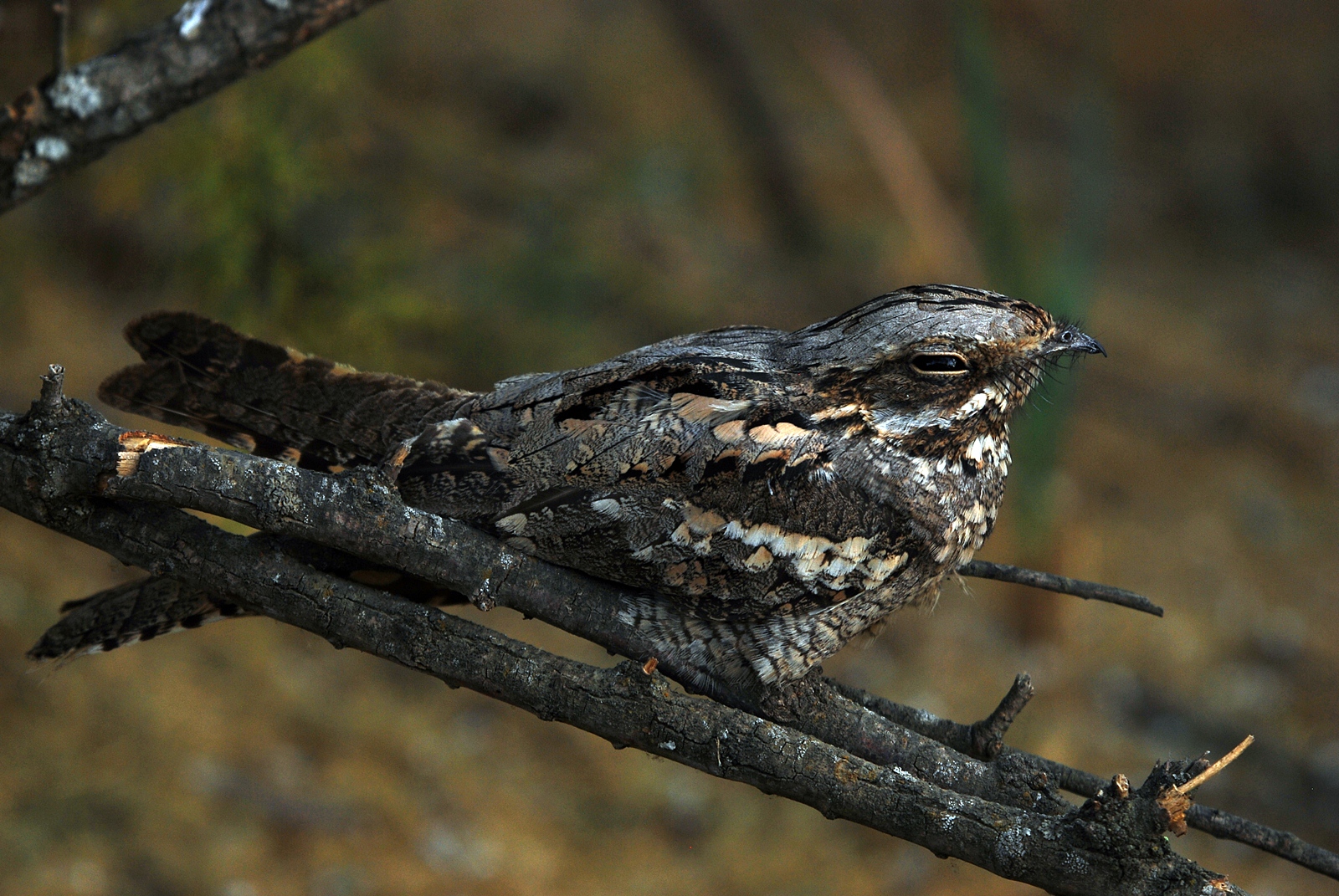
Caprimulgus europaeus
A nocturnal bird with incredible camouflage — on the ground it looks like a piece of wood. Breeds in the Letea and Caraorman forests. The male's prolonged churring call is unmistakable at dusk.

Dryocopus martius
Europe's largest woodpecker — crow-sized. The "forest architect" of Letea and Caraorman. Its abandoned cavities become homes for Eagle-Owls, Pine Martens and Stock Doves.
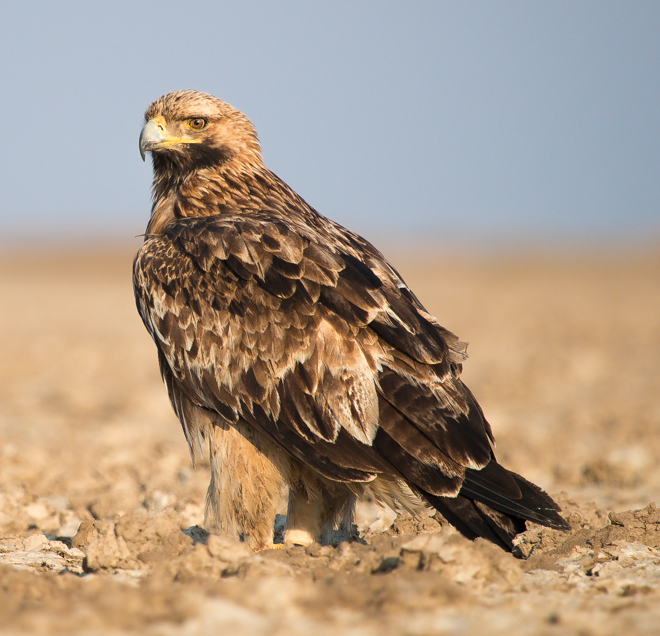
Aquila heliaca
One of Europe's rarest raptors — classified Vulnerable (VU). Once a symbol of the Romanian steppes, recently reintroduced in Dobrogea. Any sighting near the delta is an event of major conservation significance.

Hieraaetus pennatus
Europe's smallest eagle — buzzard-sized with true eagle aggression. A summer visitor to forests in Dobrogea and the Danube Delta. Exists in two completely different colour morphs.

Pelecanus onocrotalus
The absolute symbol of the Danube Delta. The colony hosts 8,000–18,000 nesting pairs — the largest in Europe. Wingspan up to 3 m. Spectacular cooperative fisher and Natural Monument.
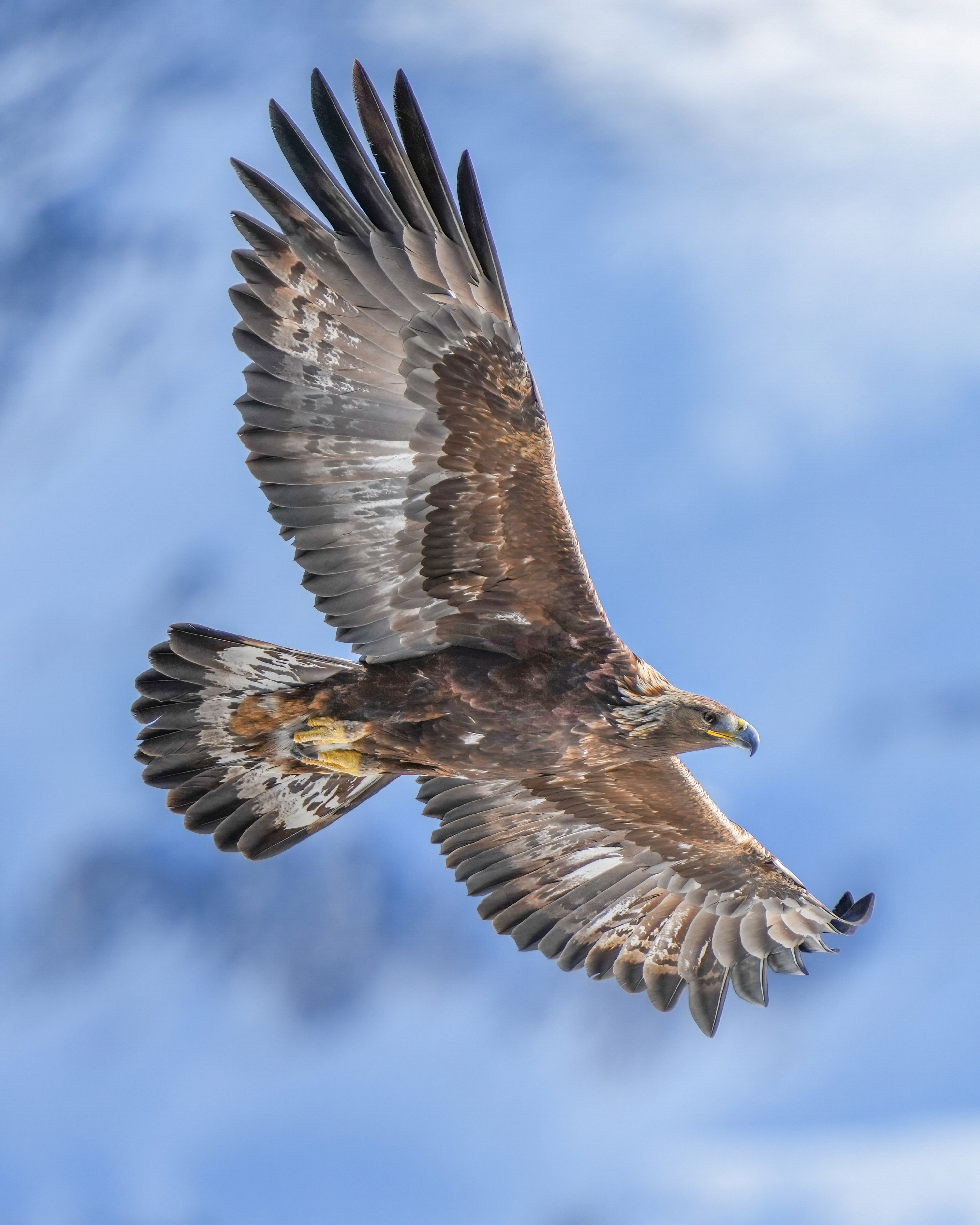
Aquila chrysaetos
Symbol of power and freedom — one of the world's most powerful raptors. Appears sporadically in the delta as young Carpathian birds disperse. Wingspan up to 230 cm. Strictly protected.
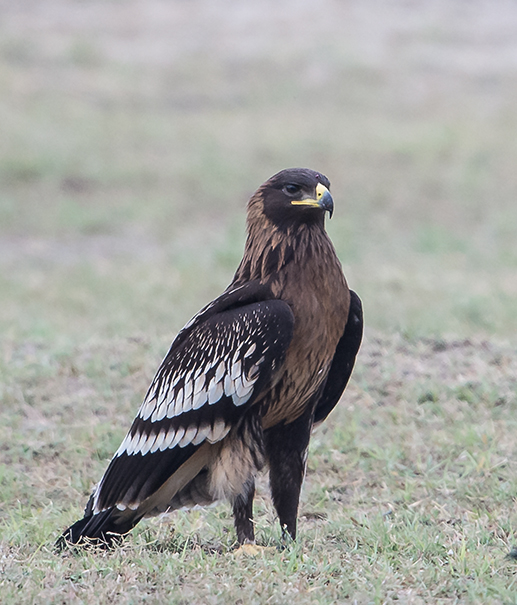
Clanga clanga
One of Europe's rarest eagles — classified Vulnerable (VU). A wetland specialist, the Danube Delta is a critical stopover during migration. Strictly protected.
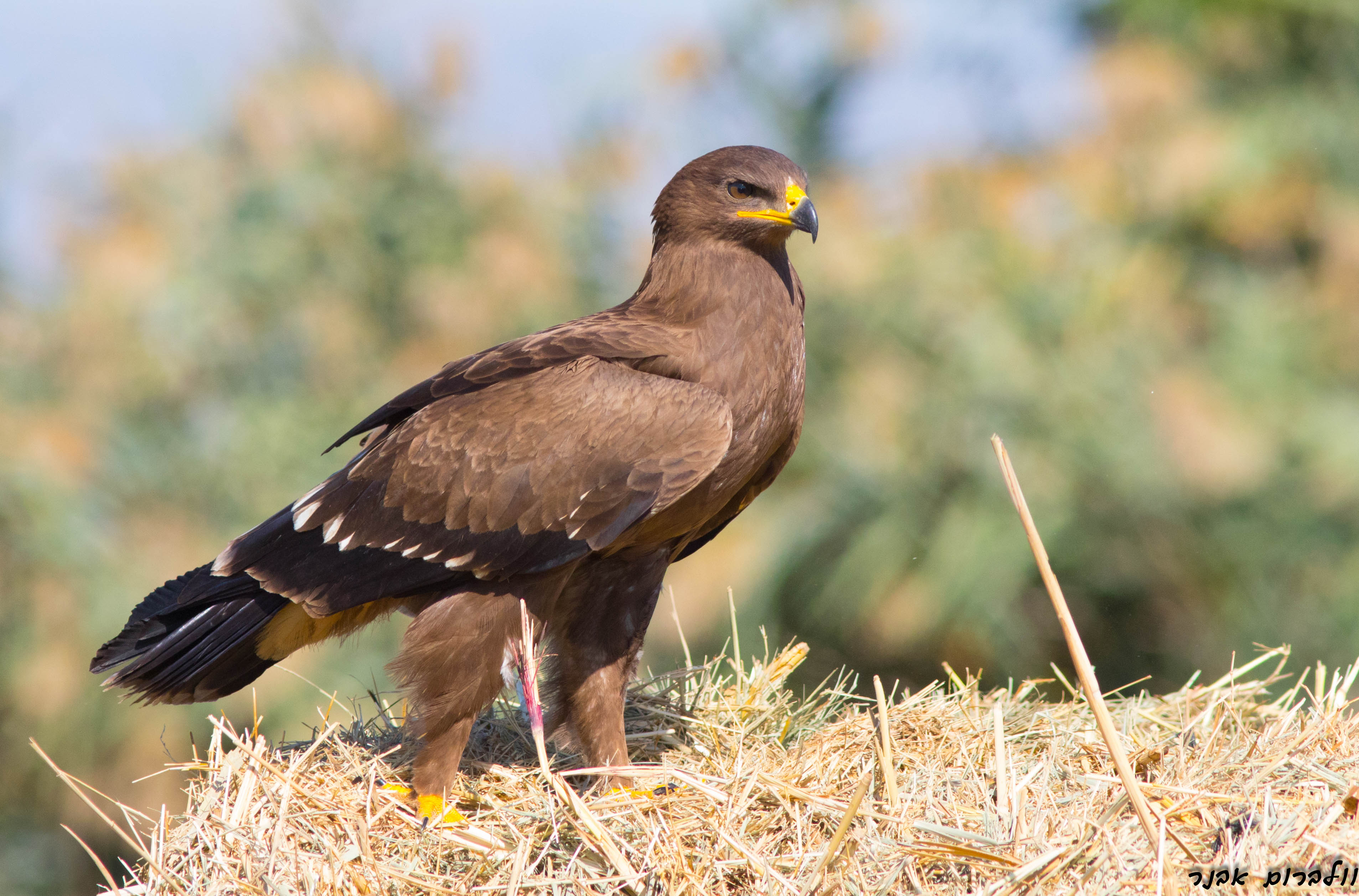
Clanga pomarina
One of the most widespread eagles in Romania. Present in the delta on passage — thousands cross the area each spring and autumn en route to East Africa. Strictly protected.

Haliaeetus albicilla
Romania's largest nesting raptor. Wingspan up to 245 cm, weight 4–7 kg. The Danube Delta hosts one of Europe's most important breeding populations. Natural Monument, strictly protected.

Phalacrocorax carbo
Master of underwater fishing — dives up to 45 m deep. The delta hosts 12,000–20,000 nesting pairs (90% of the national population). The "natural barometer of the Danube."

Ciconia ciconia
Symbol of spring in the Danube Delta. Nests on rooftops and poles in villages like Chilia Veche. Long-distance migrant wintering in sub-Saharan Africa. Length 100–115 cm, wingspan to 215 cm.
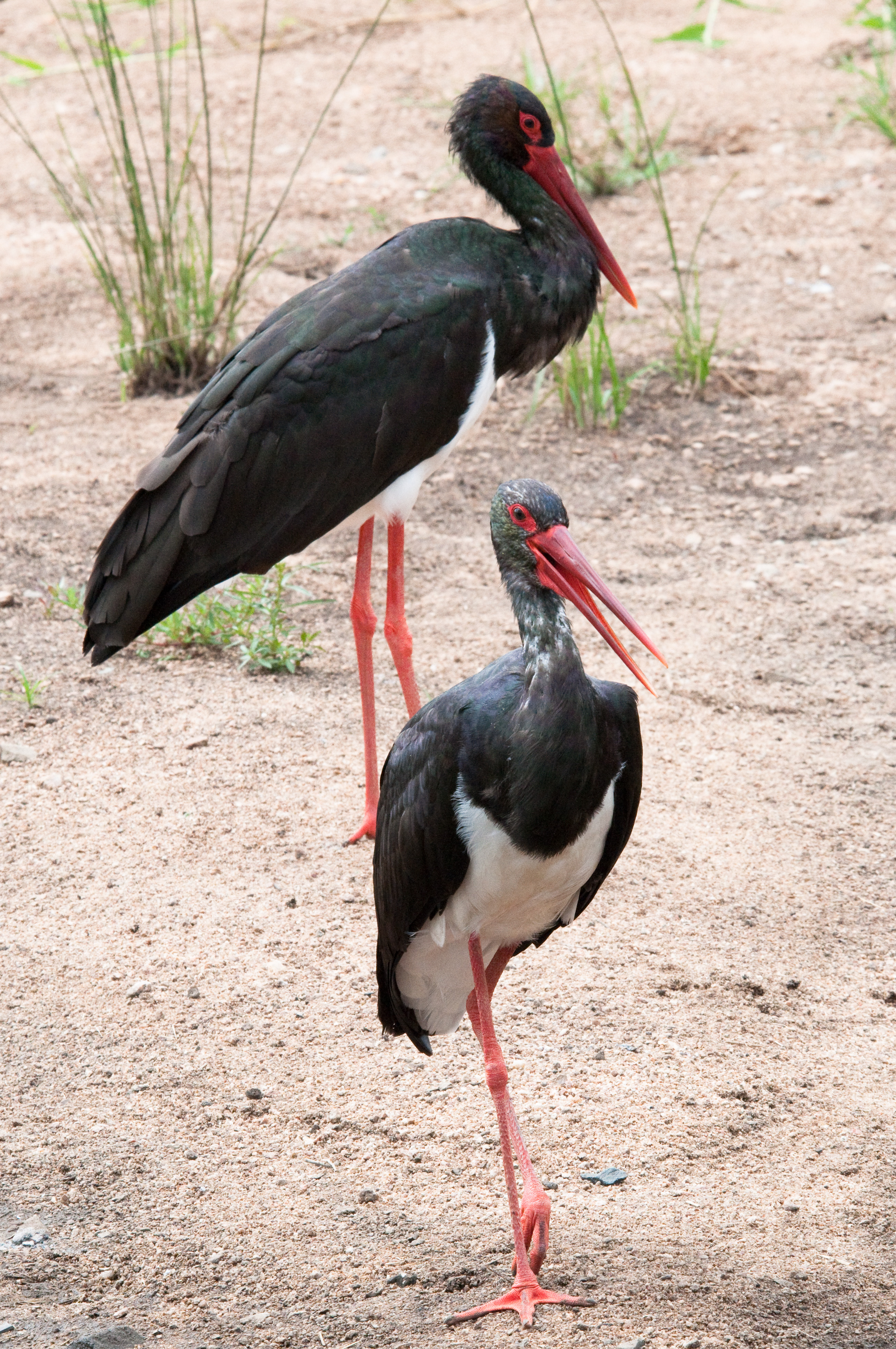
Ciconia nigra
The shy, secretive cousin of the White Stork. Nests in mature forests like Letea, avoiding all human contact. Black plumage with metallic sheen, white belly. Strictly protected in Romania.

Calidris pugnax
Fascinating wader with extreme sexual dimorphism. Breeding males wear spectacular ruffs unique to each individual. Thousands transit the Delta on migration each spring.

Gallinago gallinago
Master of camouflage with an extraordinarily long bill. The zig-zag escape flight when flushed is unmistakable. Probes canal mud for worms and larvae along the Delta's waterways.
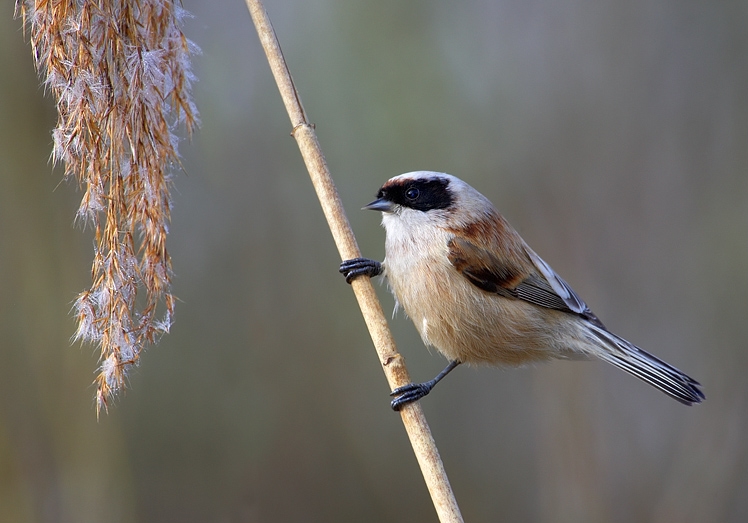
Remiz pendulinus
The Delta's architect — its hanging nest of plant fibres and willow down is a masterpiece of the animal world. Present on almost every willow-lined canal.

Tadorna tadorna
A large, boldly patterned duck bridging ducks and geese. Closely tied to the lagoon zones and brackish waters of the Danube Delta, unmistakable at a distance.

Tadorna ferruginea
One of Romania's rarest waterbirds, with intense orange-russet plumage. Favours saline lakes and steppe landscapes — a completely different niche from most ducks.

Sterna hirundo
The Delta's most common tern, with agile flight and spectacular plunge-dives. Its noisy colonies are a fixture on the large lakes throughout the warm season.
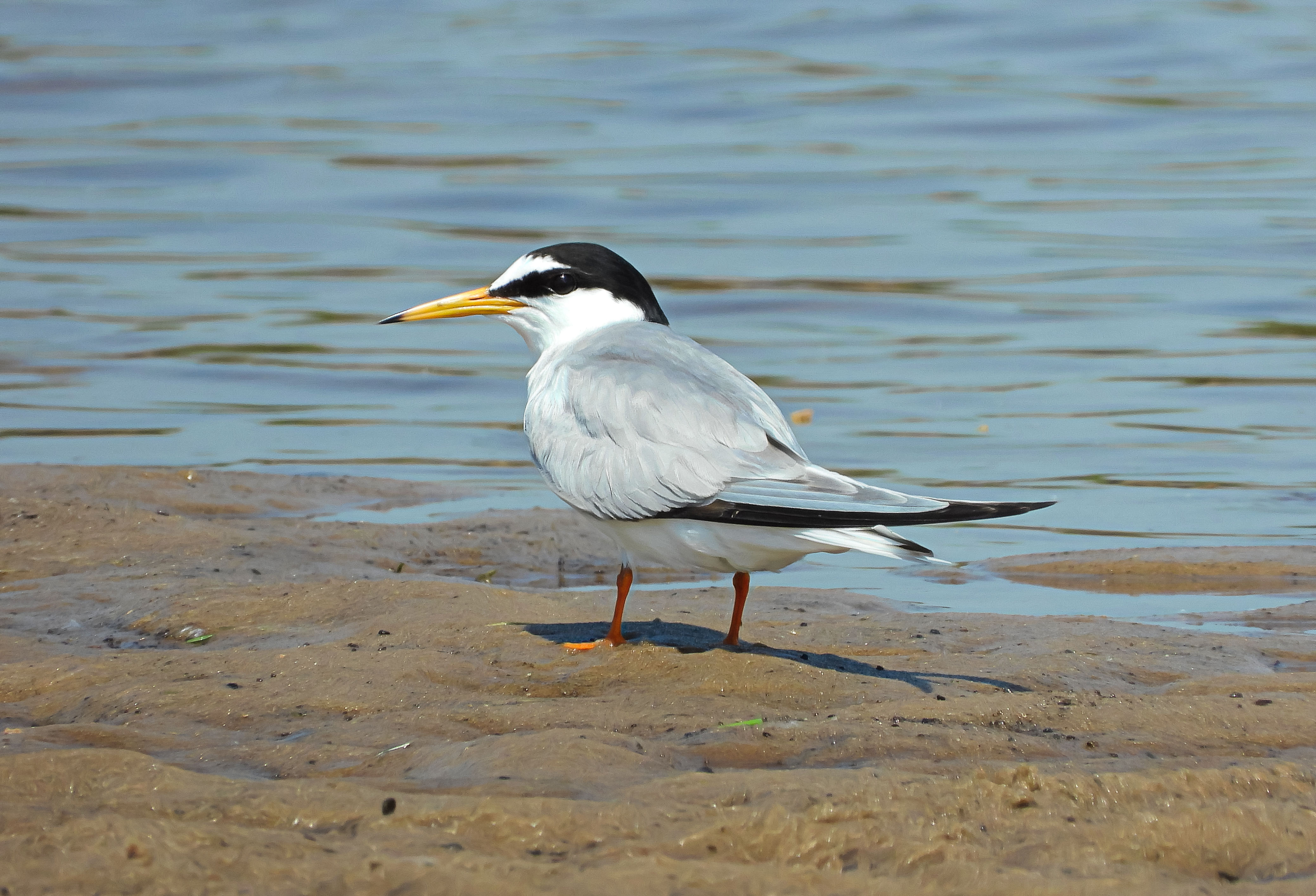
Sternula albifrons
Europe's smallest tern, strictly protected. Nests on sandy beaches of the Delta with eggs perfectly camouflaged in the sand.

Chlidonias hybrida
A graceful marsh tern of lily-pad lakes, one of the Delta's most common terns. Nests on floating leaves and picks food delicately from the water surface.

Fringilla coelebs
One of Europe's most widespread woodland birds. The colourful male's vigorous song is the background sound of Delta forests throughout spring.

Merops apiaster
Most exotic and colourful bird nesting in Romania. Colonies on earthen banks, liquid "priu-priu" calls, acrobatic flight.

Alcedo atthis
Living jewel of blue and orange. Skilled fisherman, plunges vertically into water. Common along Delta canals.

Cyanistes caeruleus
Small, bold, acrobatic. Blue cap and white cheeks. Faithful garden visitor in winter.
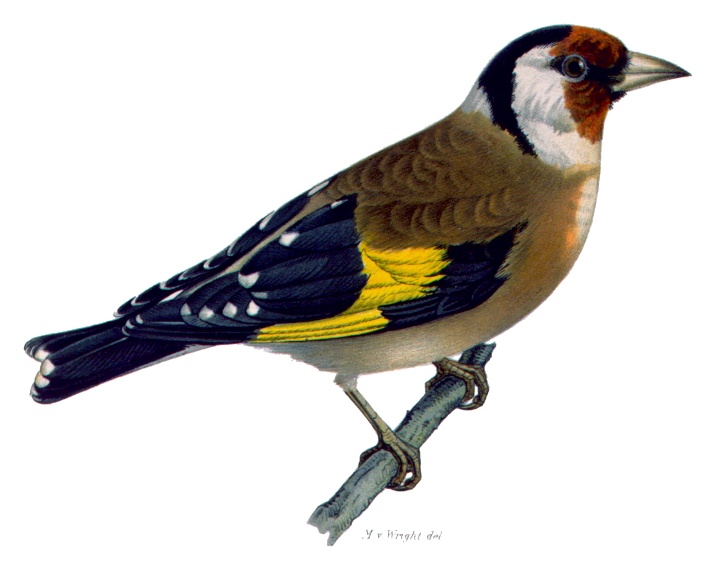
Carduelis carduelis
Symbol of joy. Bright red face mask, golden-yellow wing band. Common on waste ground and roadsides.

Oriolus oriolus
Golden jewel of the forest. Hard to spot in the canopy. Melodic "fi-lo-li-lo" song heralds summer.

Turdus merula
Famous for melodic fluting at dusk and dawn. Perfectly adapted to Delta settlements. Very common.

Corvus cornix
The Delta's resident strategist — adaptable, intelligent and ubiquitous. Its grey-and-black two-tone plumage makes it unmistakable among the region's corvids.

Dendrocopos syriacus
The woodpecker of Delta villages, at home in orchards and gardens. A Balkan species expanding northward, valued for pest control in fruit trees.

Dendrocopos major
Romania's most widespread woodpecker, with bold black-and-white plumage. The "forest doctor" cleans trees of pests and excavates cavities essential for other species.

Alauda arvensis
The celebrated songster of open country, famous for its vertical display flight. Found on the ridges and dry grasslands of the Delta.
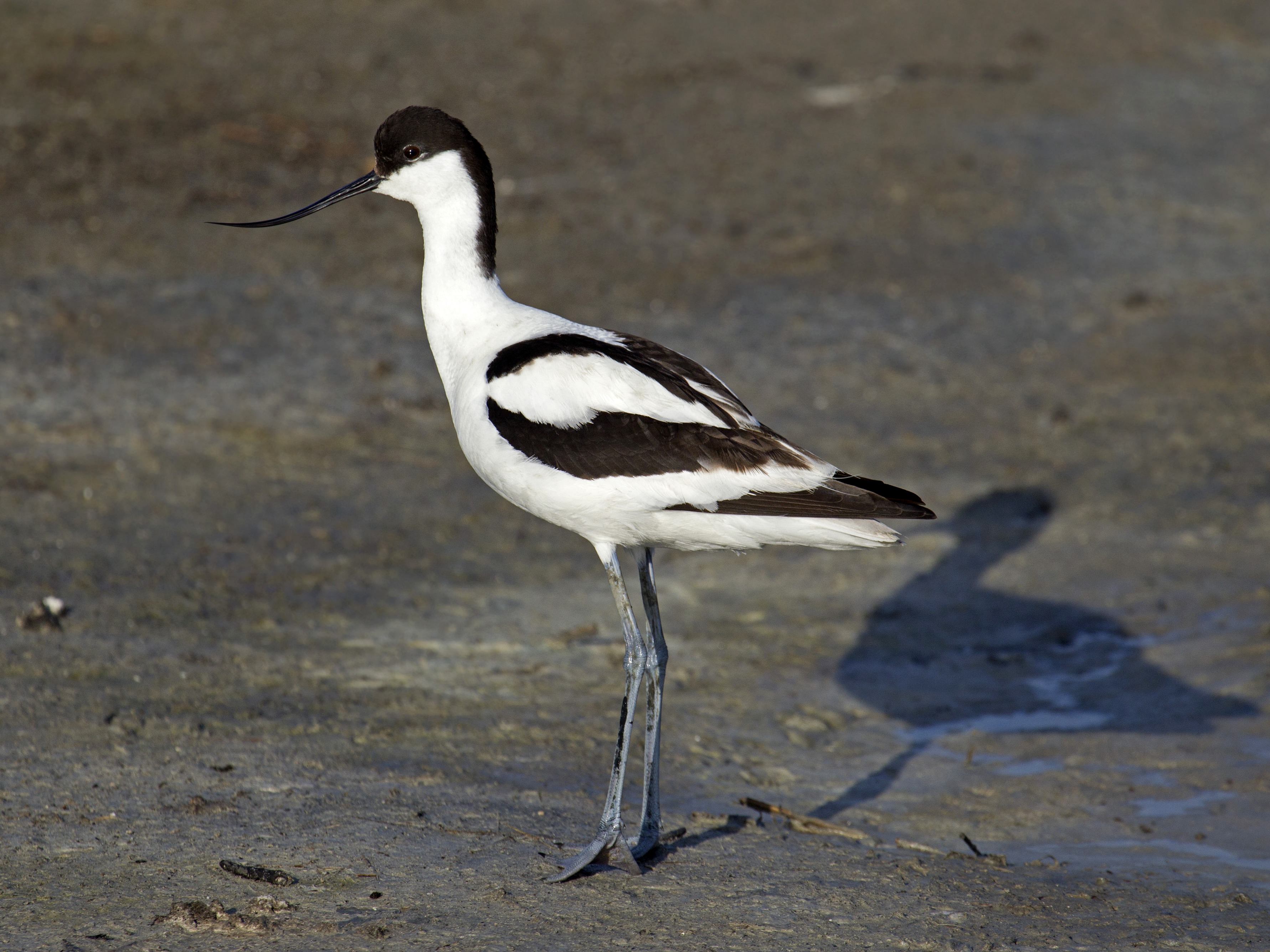
Recurvirostra avosetta
One of the most elegant waders, with a uniquely upcurved bill. Emblem species of the lagoons and brackish waters of Dobrogea.

Asio otus
The Long-eared Owl is a medium-sized owl famous for its long ear-like feather tufts on its head. It is a very discrete species during the day, but in winter becomes easier to observe as it forms common dormitories in large groups, often in conifers in villages.

Grus grus
The Common Crane is one of Europe's most spectacular birds, famous for its elaborate courtship dances and its powerful trumpet-like call heard from kilometers away. In Romania, it is a symbol of spring and autumn, when it traverses the country in large flocks.

Motacilla alba
The White Wagtail is one of the most charming and energetic birds in the Danube Delta. Recognized immediately by the continuous, rhythmic movement of its long tail (hence the English name "Wagtail"), it is a constant presence on canal banks, pontoons, fishing boats, and gardens.
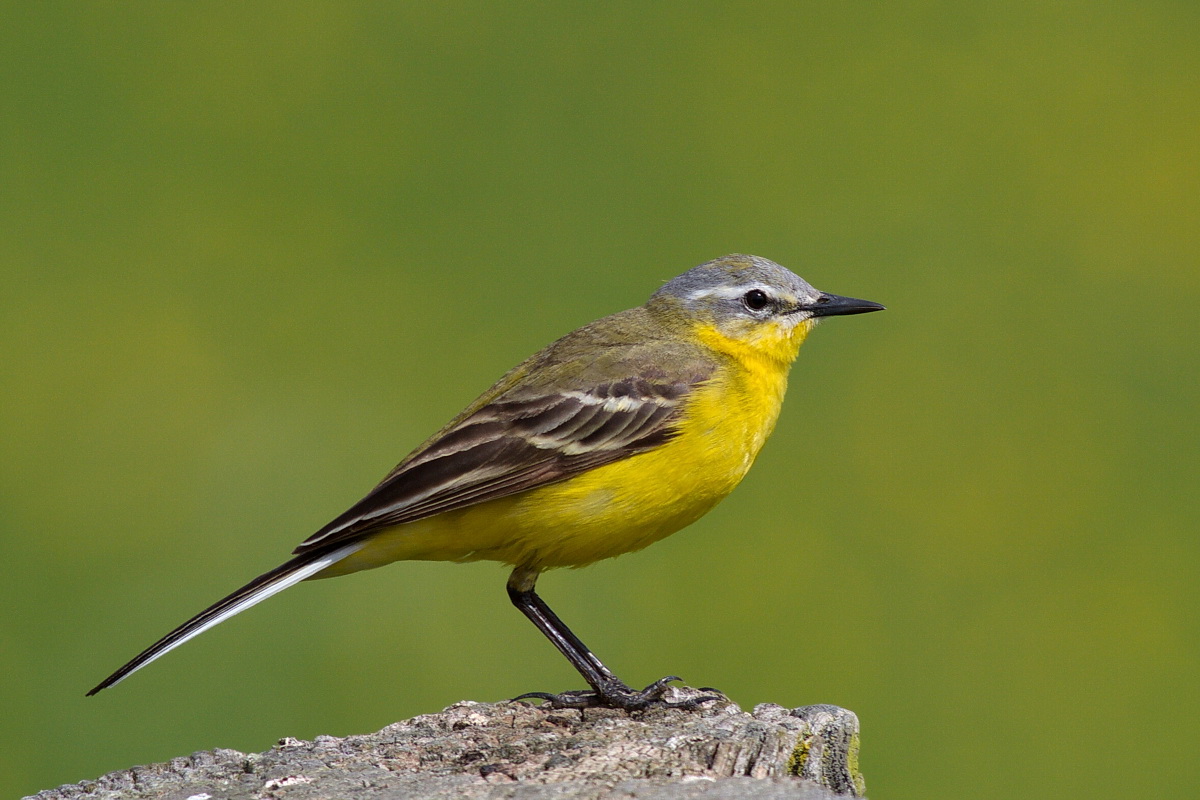
Motacilla flava
The Western Yellow Wagtail is a sunny appearance in the Danube Delta landscape. Unlike its white relative, it is strictly migratory and prefers areas with low grassy vegetation. It is often seen near herds of grazing animals on the islands, as livestock disturb insects in the grass, making them easy prey for the bird.

Corvus corax
The Northern Raven is the largest bird in the corvid family. In the Danube Delta, it can be observed soaring like a vulture over barren areas or along the banks of the river branches.

Podiceps cristatus
The Great Crested Grebe is famous for its extremely complex and spectacular courtship rituals, which include the "penguin dance" and the offering of aquatic plants between partners. It is a perfect aquatic bird, spending almost all its time on water or beneath it.

Tachybaptus ruficollis
The Little Grebe is a discrete presence, often difficult to observe due to its habit of quickly disappearing underwater at the slightest sign of danger. It is a small, fluffy bird that looks more like a ball of feathers floating on the water.

Microcarbo pygmaeus
The Pygmy Cormorant is much more graceful and attached to areas with rich vegetation than its larger relatives. The Danube Delta represents one of the most important breeding places globally for this species.
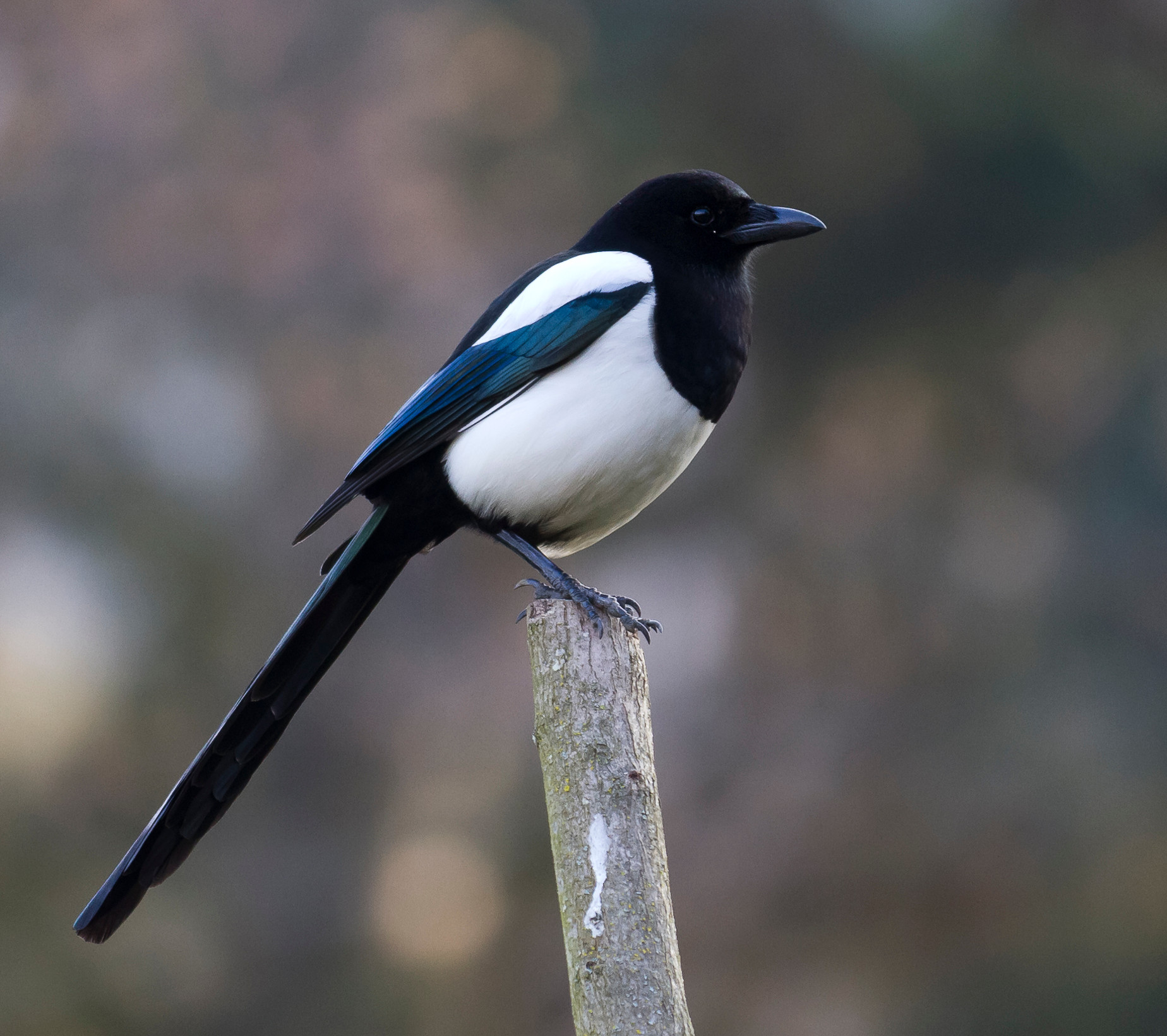
Pica pica
The Eurasian Magpie is one of the most intelligent birds in the world. In the Delta, it is present in woodland edges, near fishing villages and on the islands. It is an opportunistic bird that takes advantage of any food source.

Cuculus canorus
The Common Cuckoo is one of the most fascinating birds from a biological perspective, famous for its distinctive call that announces spring and for its unique reproductive strategy: nest parasitism. In the Danube Delta, the cuckoo is a constant presence, its song echoing from reed beds and vast marshes from April to July.

Athene noctua
The Little Owl is probably the most well-known nocturnal bird in rural areas of Romania. Small in stature and compact in appearance, it is a constant presence in villages throughout the Danube Delta, where it can be seen perched on roofs, poles, or in orchards. Although local folklore has sometimes attributed dark significance to it, the Little Owl is actually an extremely useful bird, being an efficient controller of rodent and insect populations.

Gavia stellata
The Red-throated Diver is an Arctic visitor to the Danube Delta during winter. It is the smallest and lightest of the divers, being an exceptional swimmer perfectly adapted to aquatic life. It is distinguished by the fact that it can take off directly from the water without needing a long running start.

Gavia arctica
The Black-throated Diver is larger and more robust than the Red-throated Diver. During winter, it can be observed in small groups on lagoons and large lakes in the southern Danube Delta. It is an indicator of water quality, being highly sensitive to pollution.

Apus apus
The Common Swift is one of the most remarkable birds in the world, being adapted almost exclusively to life in the air. Although it resembles swallows, it is not related to them but rather to hummingbirds. In the Danube Delta, the Common Swift is observed mainly during migration periods (spring and late summer), when large flocks can be seen sweeping through the sky at considerable heights.

Coracias garrulus
The European Roller is a bird of rare beauty, with acrobatic flight and turquoise-blue plumage that glistens in the sun. Although it is a medium-sized bird, its presence is striking, often seen perched on dead branches or electrical wires waiting in ambush.
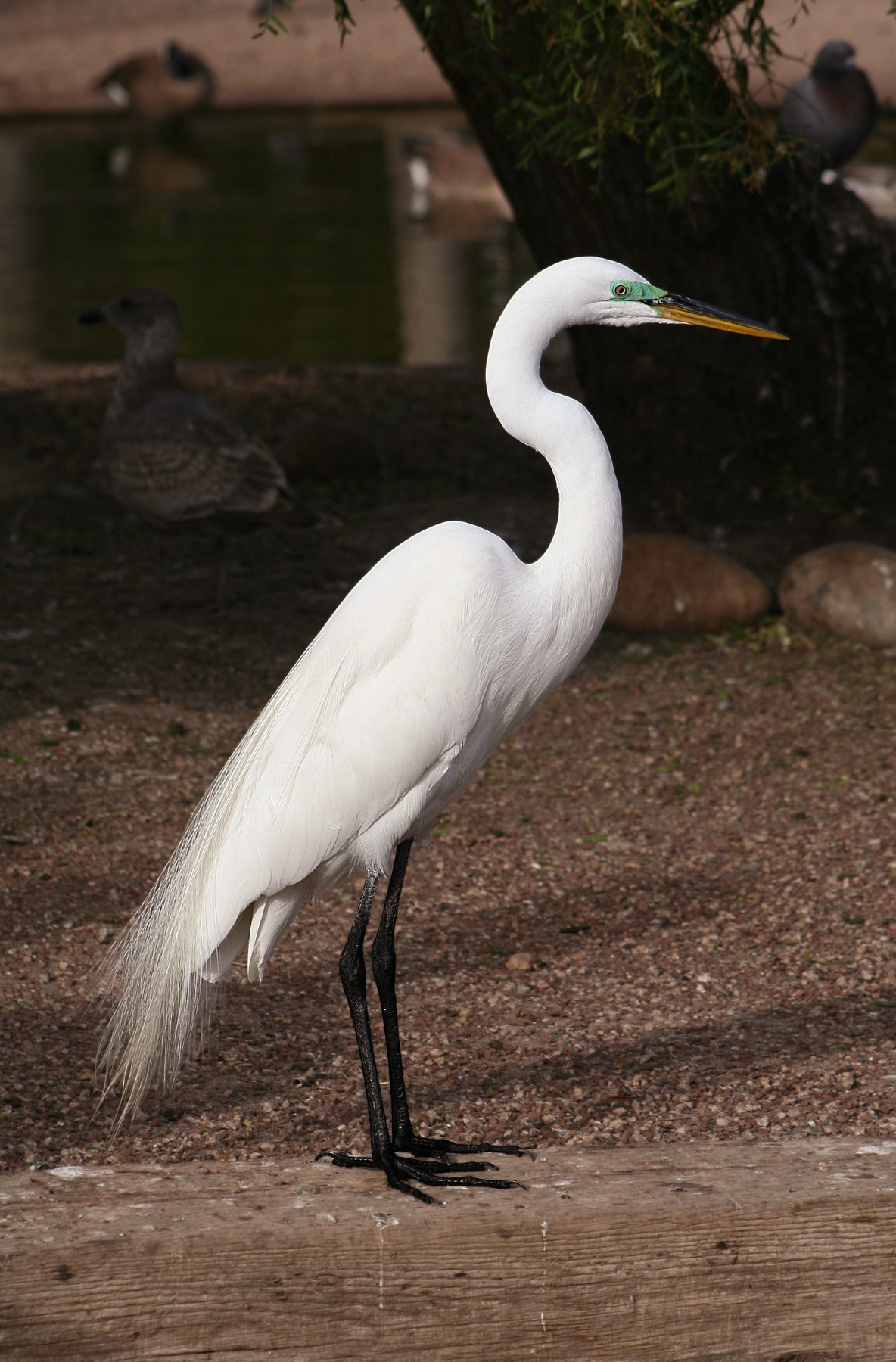
Ardea alba
The Great Egret is one of the most spectacular birds in the Danube Delta, impressing with its immaculate white plumage and noble bearing. It was nearly extinct due to the trade in ornamental feathers (egrets), but the population has recovered spectacularly under legal protection.

Egretta garzetta
The Little Egret is a smaller and more active version of the Great Egret. It is an extremely graceful bird, easily observed in shallow water areas of the Delta, where it often stirs the water with its foot to startle prey.

Ardeola ralloides
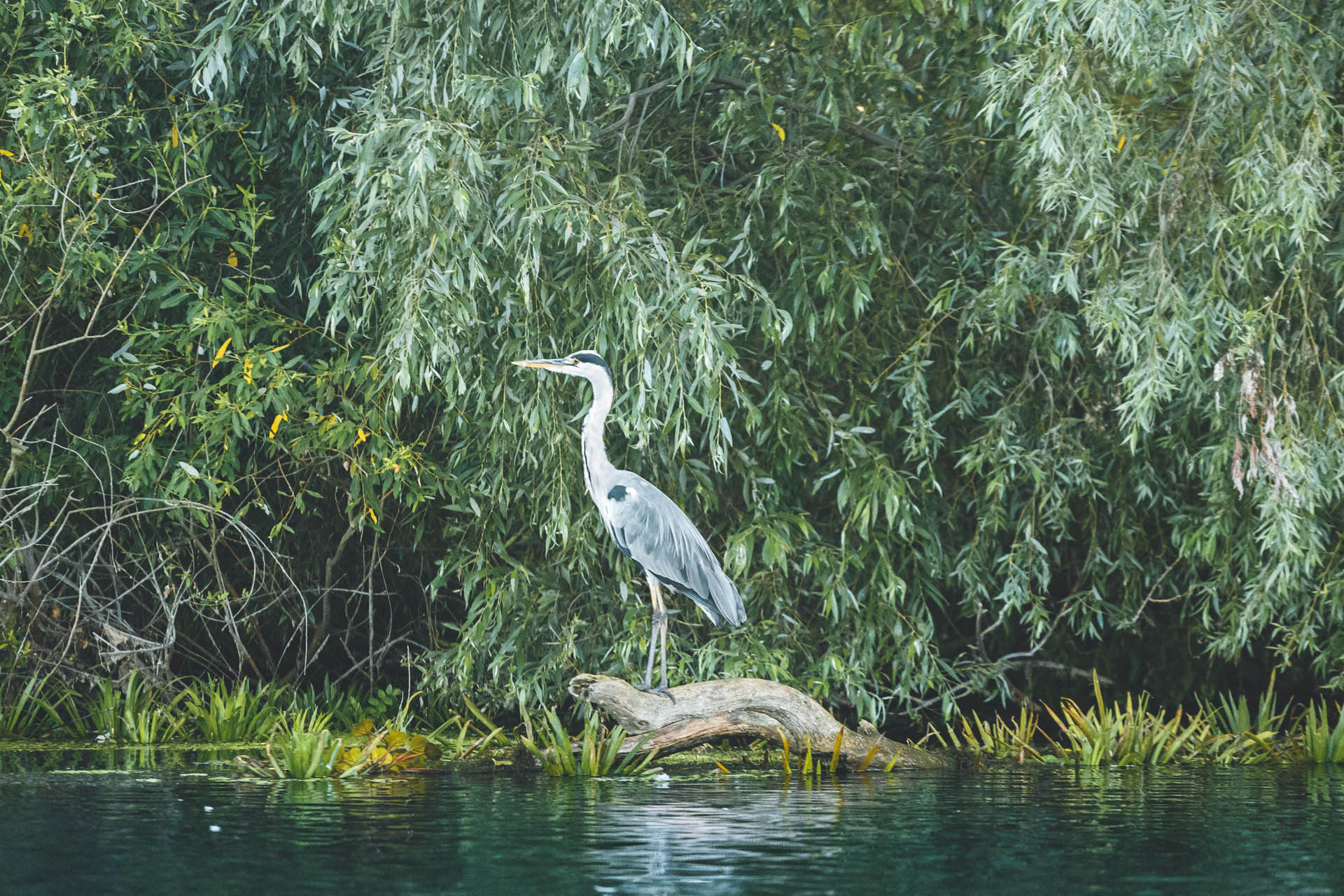
One of the most beautiful herons, with velvety golden-yellow plumage. In flight reveals striking white wings. Characteristic of wetlands in south-eastern Europe.

Ixobrychus minutus
Smallest heron in Europe. Extremely discreet, spends most of its time in dense reed beds. Numerous in Delta but hard to observe.

Circus macrourus
The Pallid Harrier is probably the rarest and most delicate harrier species that can be observed in the Danube Delta. It is a passage visitor, crossing Romania on its way between the Asian steppes and African wintering grounds. It is a bird of exceptional elegance, with males having plumage so pale in color that it appears almost white from a distance.
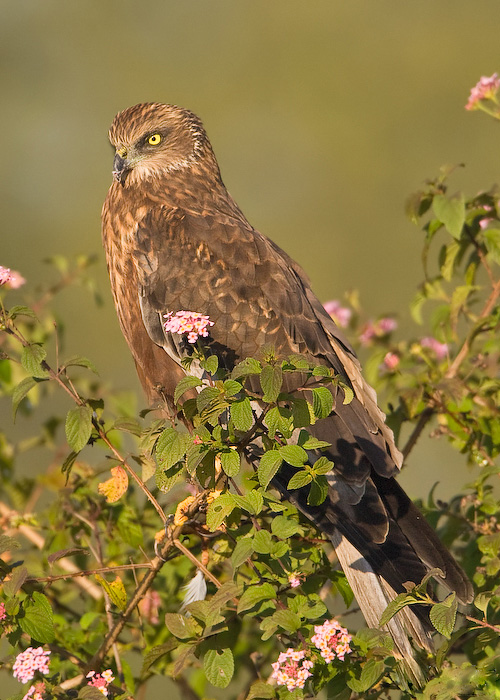
Circus aeruginosus
The Western Marsh Harrier is the undisputed master of the sky above the reed beds of the Danube Delta. With its characteristic low flight, at reed level, it is a constant presence continuously monitoring channels and marshes in search of prey.

Circus pygargus
Montagu's Harrier is the smallest and most graceful of the European harriers, being a bird of particular elegance in flight. It is a summer visitor to Romania, arriving from Africa to breed in steppe and grassland areas. In the Danube Delta and Dobrogea, Montagu's Harrier occupies the niche of open habitats, often seen soaring over cereal crops or natural meadows.

Acrocephalus scirpaceus
The omnipresent voice of the Delta in summer. A master of balance, it spends its life among vertical reed stems. The preferred cuckoo host in the delta.

Acrocephalus schoenobaenus
Varied and energetic singer, recognised by its broad white eyebrow. Prefers wetland margins where reeds mix with shrubs and sedges.
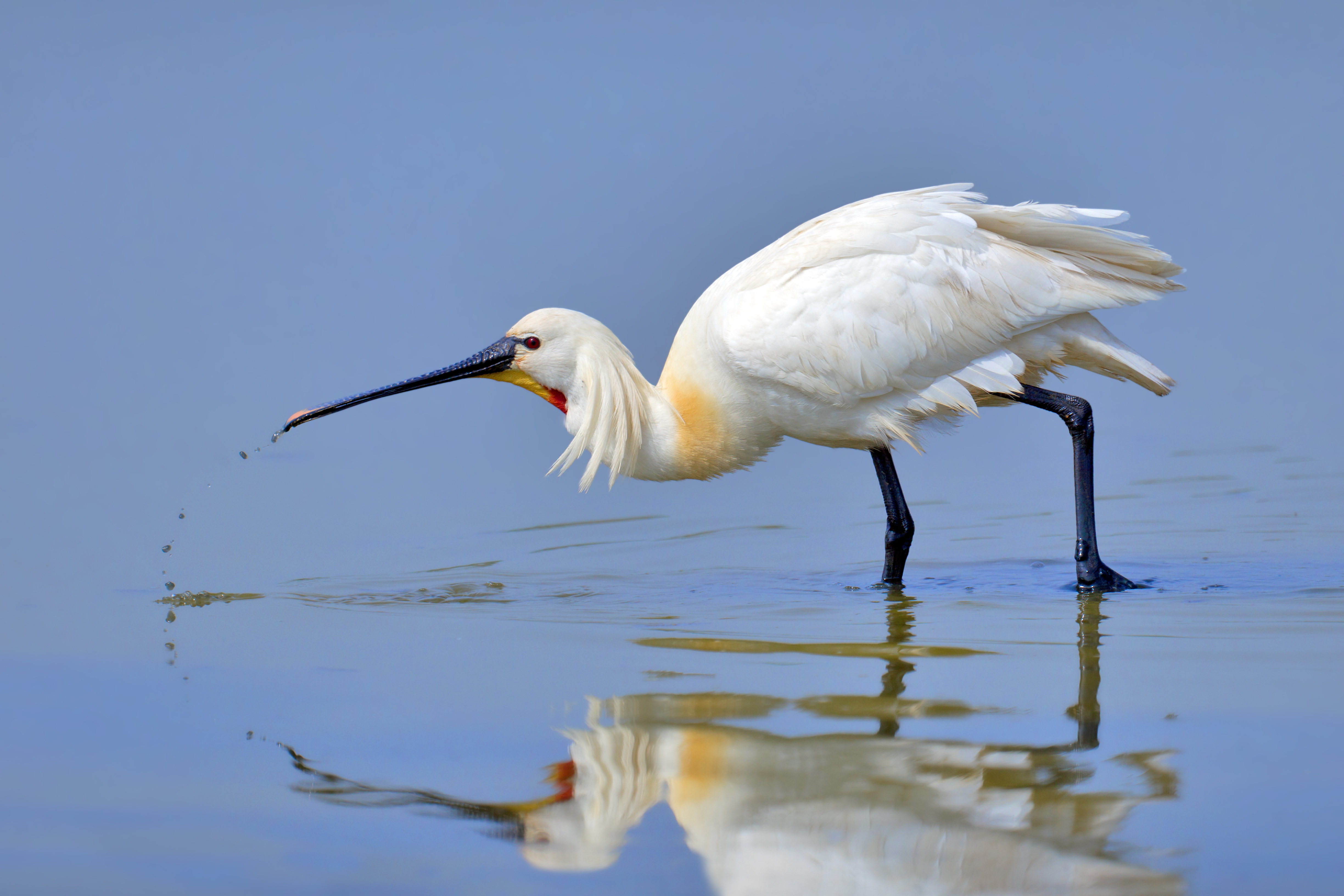
Platalea leucorodia
One of the most unmistakable birds of the Delta thanks to its bizarre spoon-shaped bill. Hunts in groups on shallow lakes.

Chroicocephalus ridibundus
A constant and noisy presence in the Delta and in cities with waterways. Its name comes from the call resembling a shrill laugh. Highly adaptable.

Circus melanoleucos
Spectacular black-and-white harrier. Accidental or extremely rare in Romania; main range in Asia. Any sighting is of major scientific importance.

Netta rufina
One of the most spectacular diving ducks, with orange-red head and velvet crest. Breeds in the Delta on lakes with abundant submerged vegetation.

Spatula querquedula
The only duck in our region that winters exclusively in Africa. Discreet summer presence in the Delta, one of the first species to arrive in spring.

Aythya nyroca
Rare and vulnerable species at European level. The Delta hosts one of the most important breeding populations in the world.

Anas acuta
Considered the most elegant dabbling duck. Unmistakable aerodynamic silhouette. Regular winter visitor, occasional breeder in the Delta.

Circus cyaneus
Common winter visitor in the Delta. Adult male has grey-blue plumage, female brown with streaks. Patrols meadows and steppe areas in Dobruja.

Accipiter nisus
Small raptor specialised in hunting birds. Discreet but common presence in Delta. Agile flight among branches.

Falco tinnunculus
Most common falcon. Famous for hovering flight. Present in diverse habitats, often on poles and power lines.

Phoenicopterus roseus
One of the most exotic appearances in Romania's avifauna. Increasingly regular presence in the Delta and Razim-Sinoe complex; recent breeding attempts.

Tringa totanus
"Guardian of the marsh" — the first bird to raise the alarm when an intruder approaches. Common breeder in the Delta's open wetlands.

Gallinula chloropus
Retiring but widespread bird, often at the edge of reeds. Red bill with frontal shield, greenish legs with red "garter".

Garrulus glandarius
"Policeman of the forest" — first to sound the alarm when an intruder appears. Stable populations in forests on sandy ridges (Letea, Caraorman).

Sturnus vulgaris
One of the most adaptable birds. Famous for imitations and autumn murmurations. Very common in Delta.