The Chilia Branch is the northernmost and most voluminous of the Danube's three main arms — carrying approximately 60% of the river's total discharge.
From its bifurcation at Pătlăgeanca to its mouth at the Black Sea, the Chilia Branch traverses a region of exceptional geographical complexity. It is navigable for barges and ocean-going vessels, with depths reaching 39 m in the thalweg zones.
The name Chilia is of Greek origin — κελλία — meaning "chambers" or "storehouses", referring to the medieval port-fortress on its bank. In Byzantine and Genoese chronicles, the branch appeared as Lykostoma ("wolf's mouth") or Licostomo, and was the delta's main navigation route — contested over centuries by Byzantines, Bulgarians, Russians, Tatars, Genoese, Wallachians, Moldavians and Turks.
The Chilia Branch today forms the natural border between Romania and Ukraine, with some boundary adjustments established by the Romanian-Soviet additional protocol of 4 February 1948. At its mouth, the branch forms an active secondary delta — the most dynamic alluvial zone in the entire European delta — advancing into the Black Sea by 40–80 m per year.
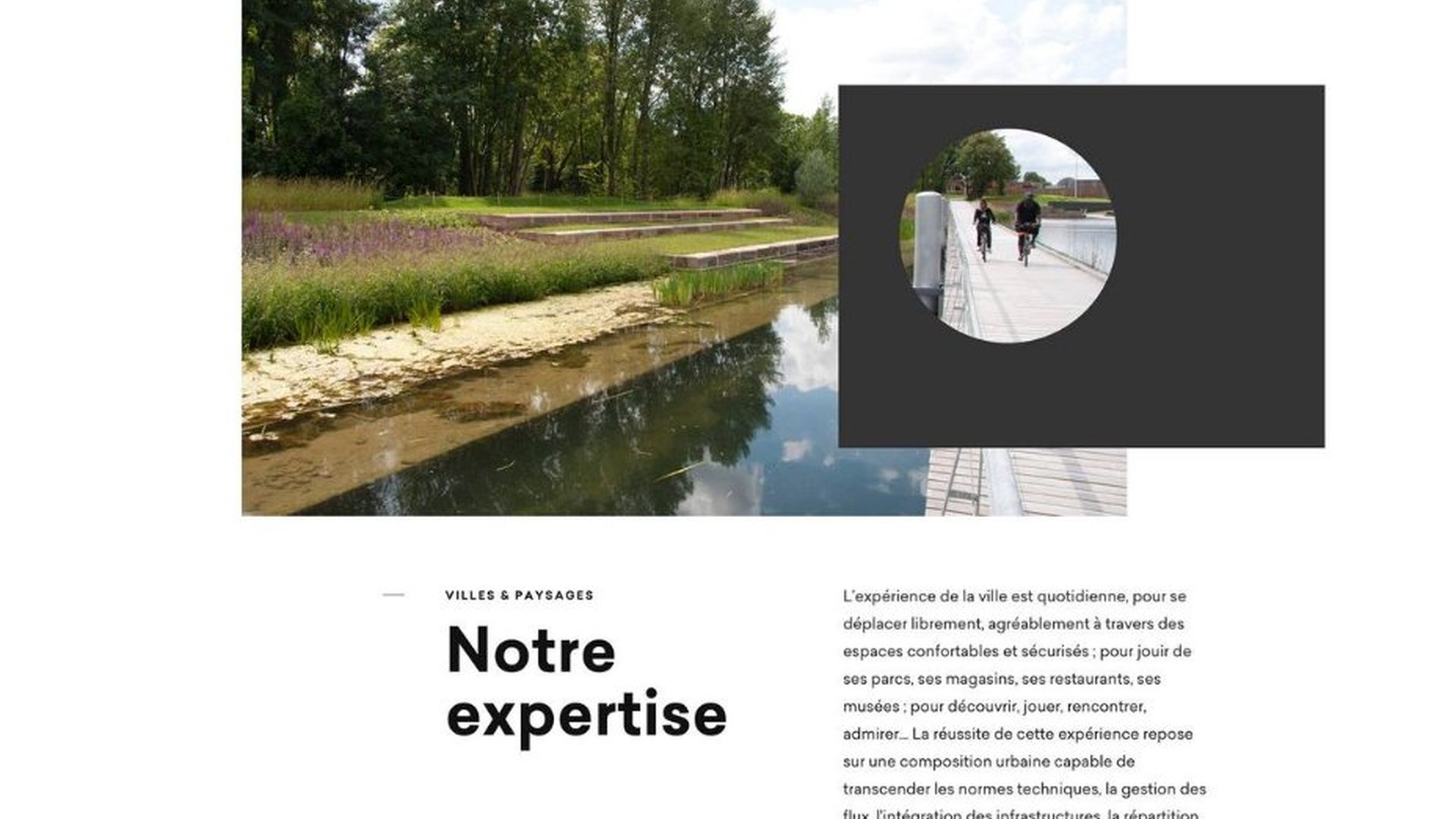
Along its course, single-channel sections alternate with bifurcation zones, where the secondary arms Tătaru (13.6 km), Cernovca and Babina branch off. The banks are dominated by dense reed beds, willow and poplar forests, sandy ridges and a labyrinth of secondary channels — the wildest and least engineered of the Danube's three arms.